What Signs Mean Your Property Needs Stained Concrete Floors?
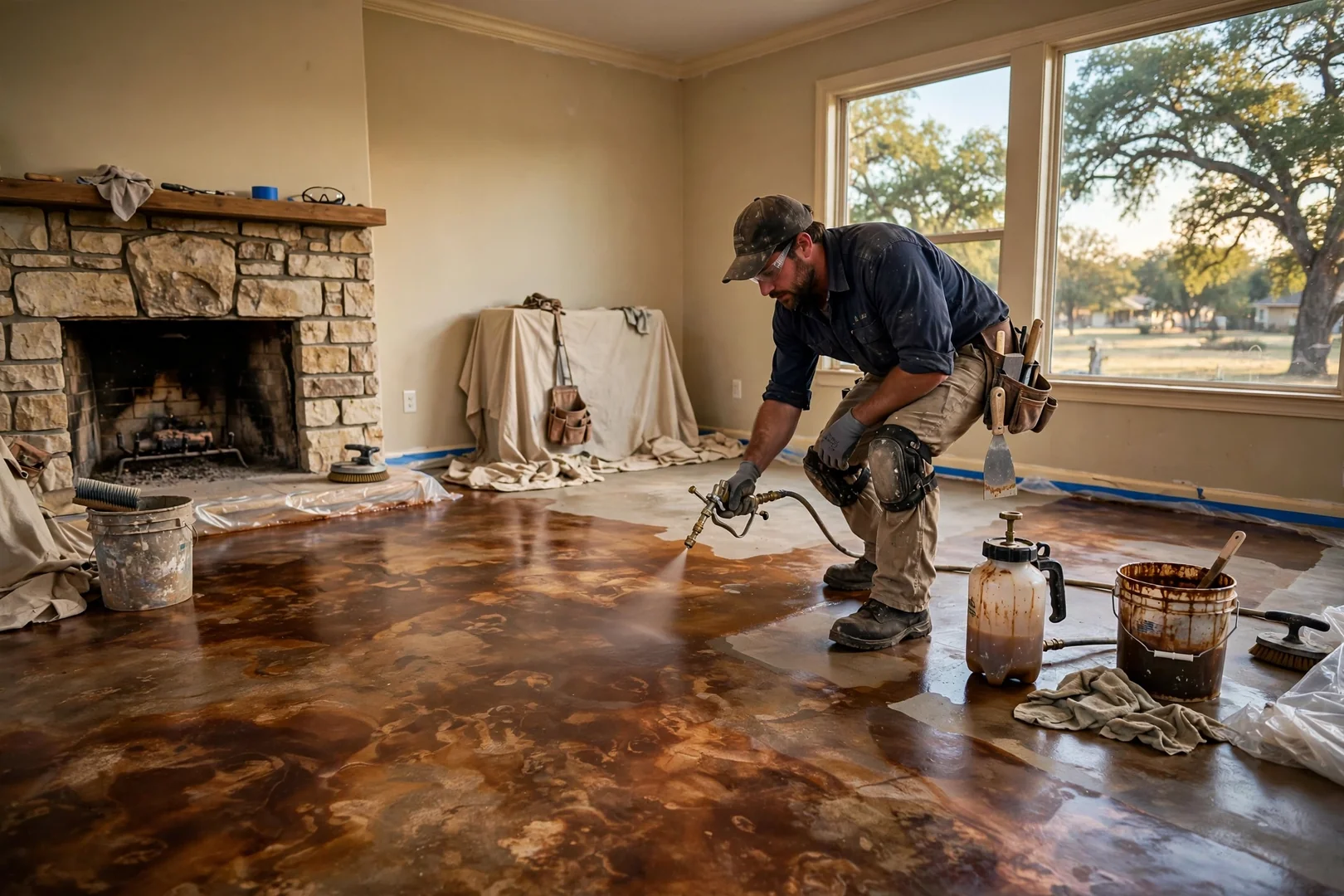
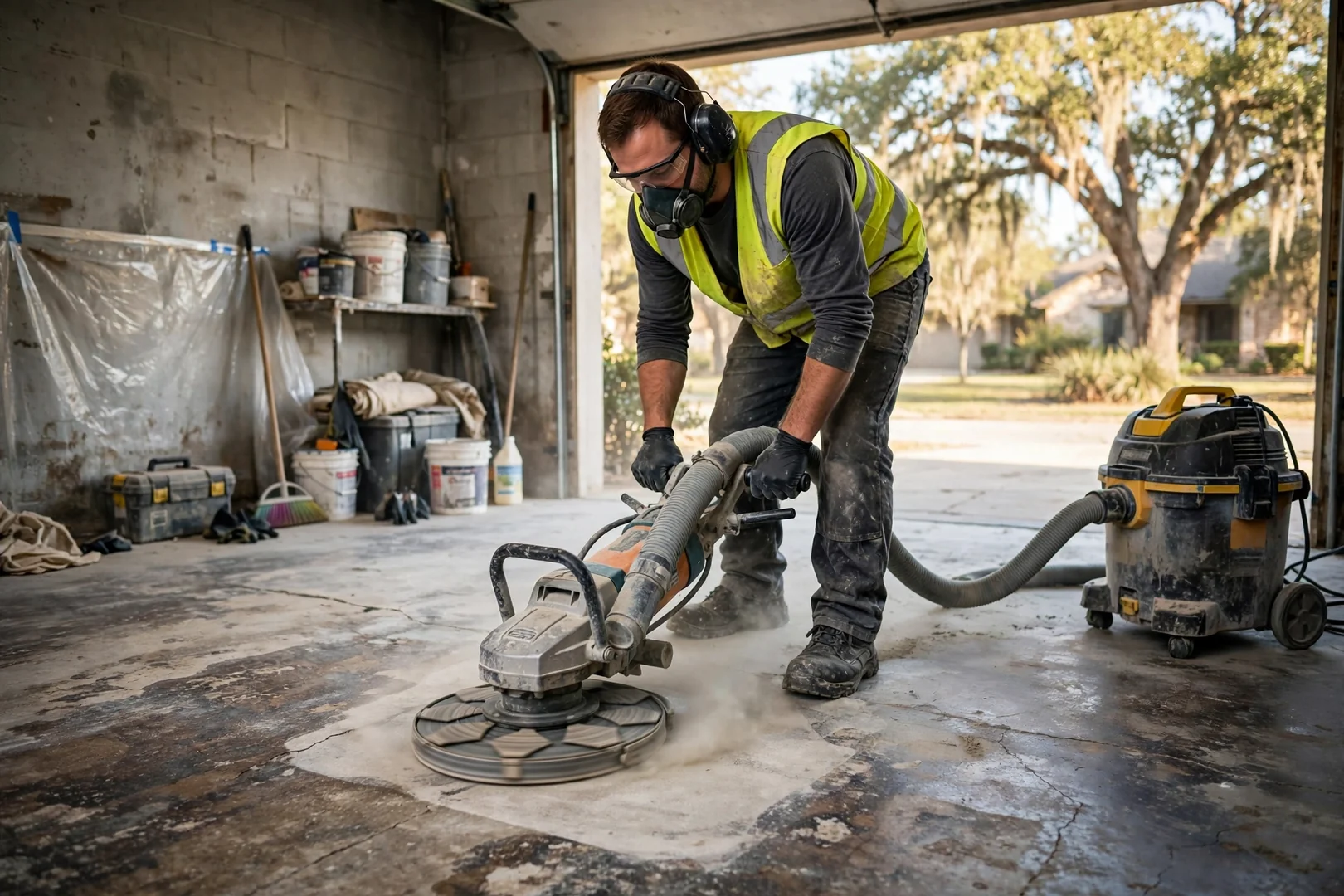
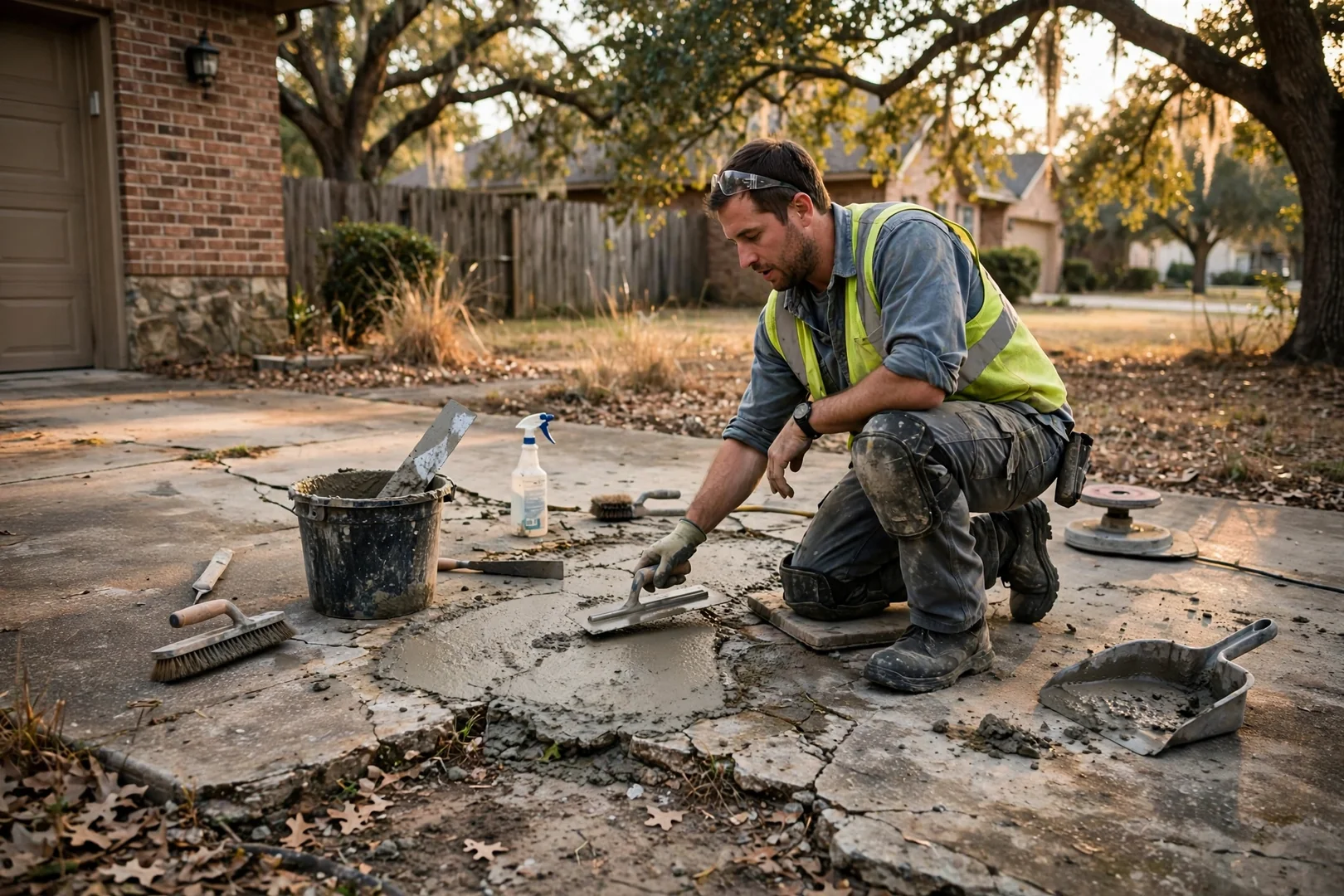
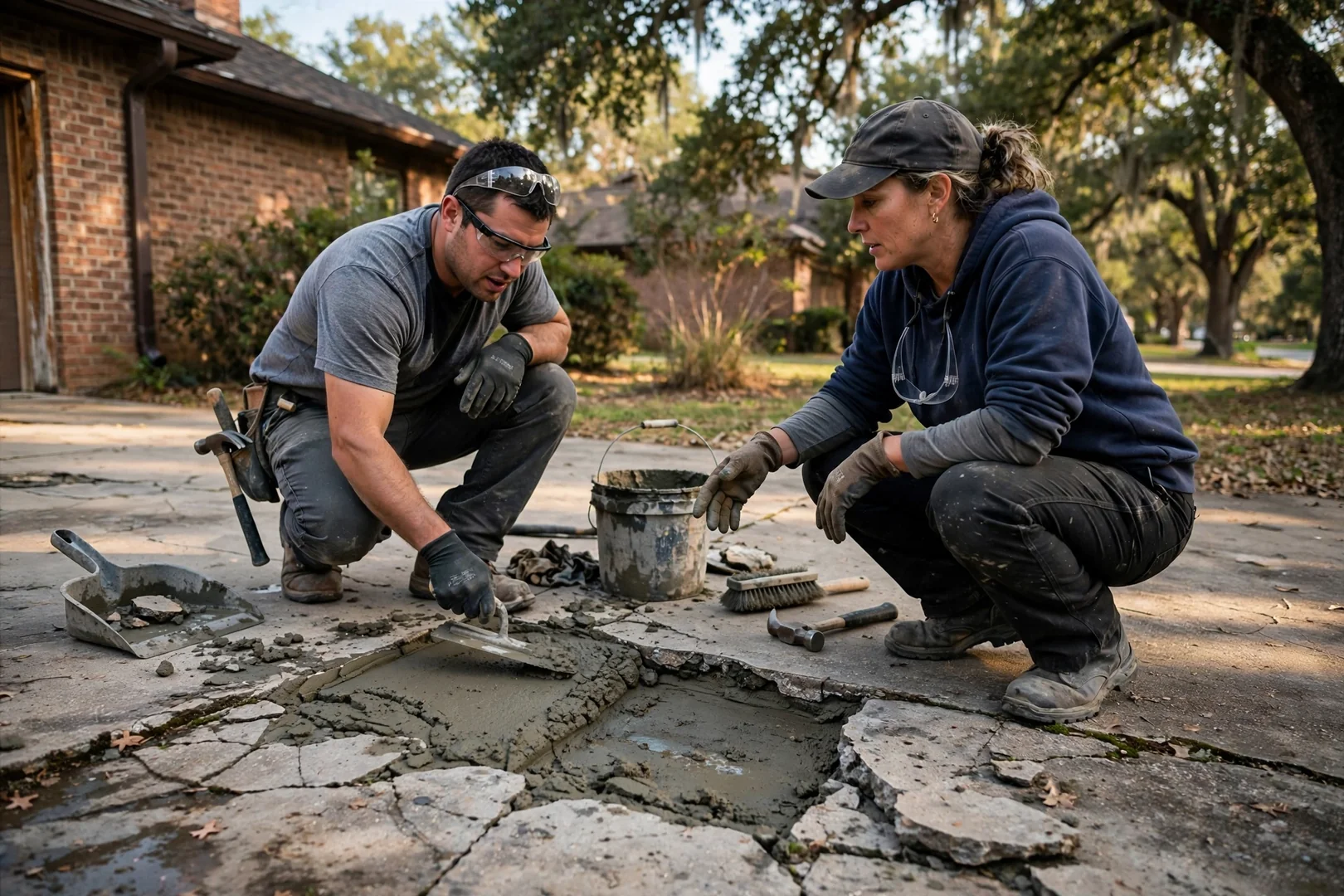
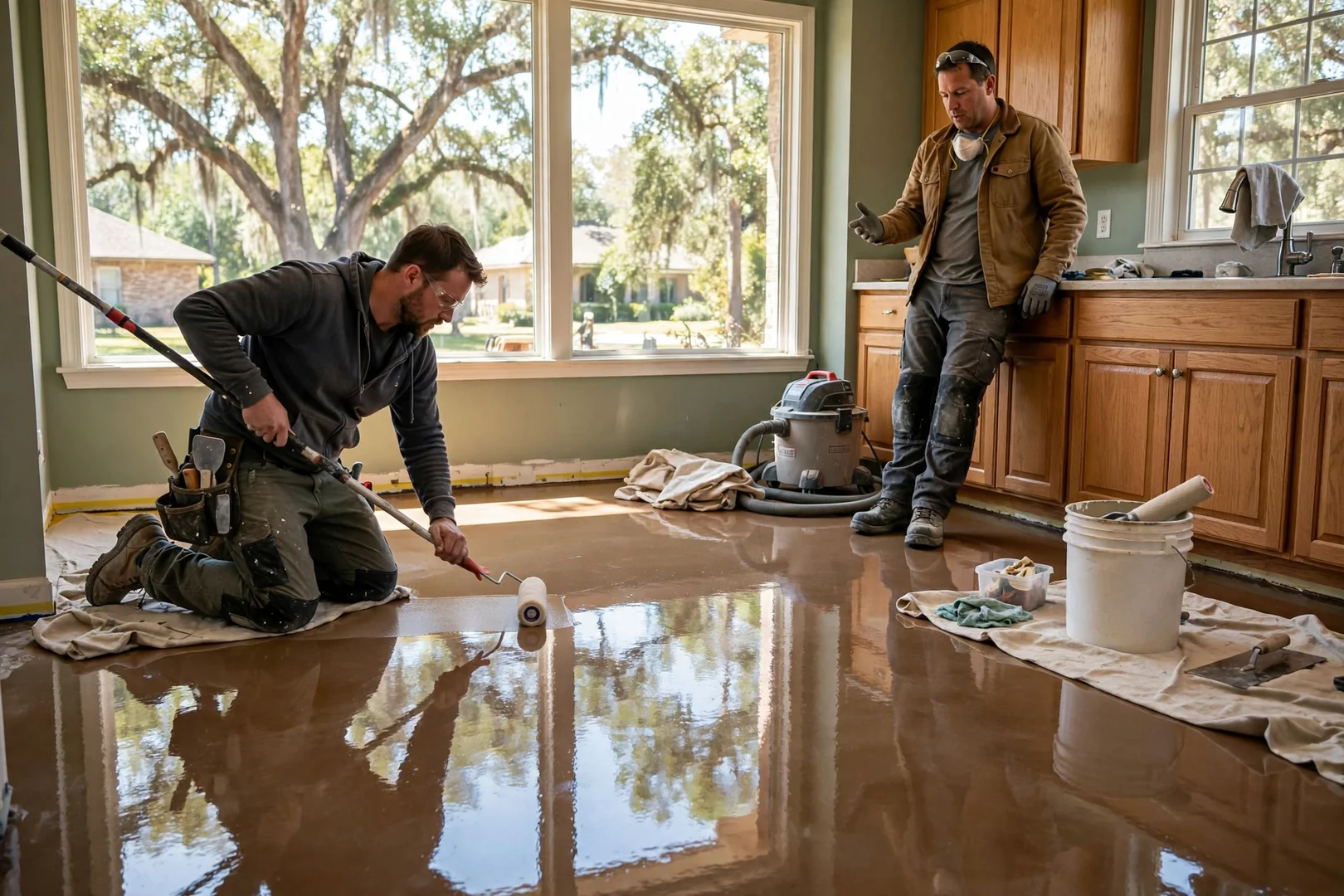
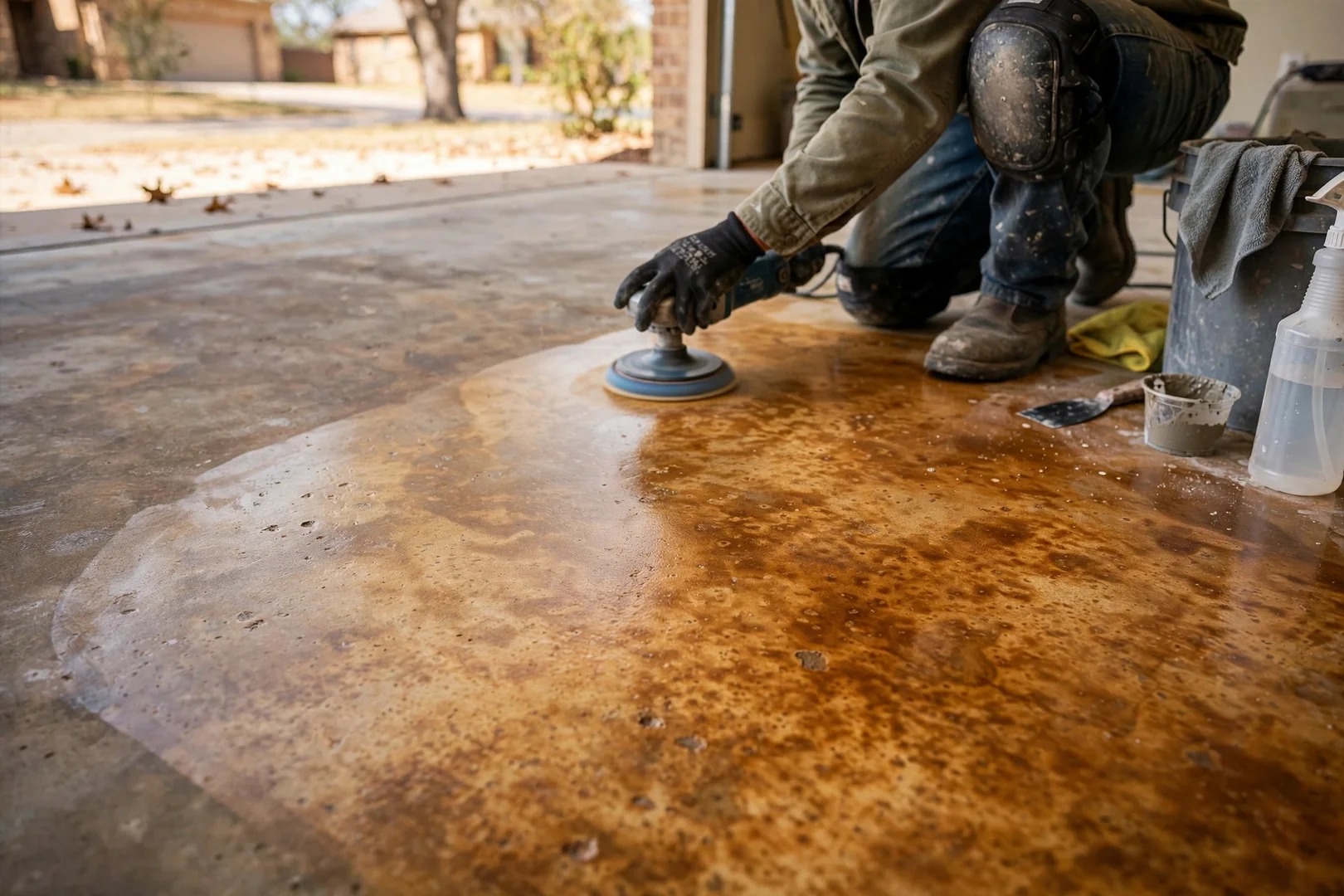
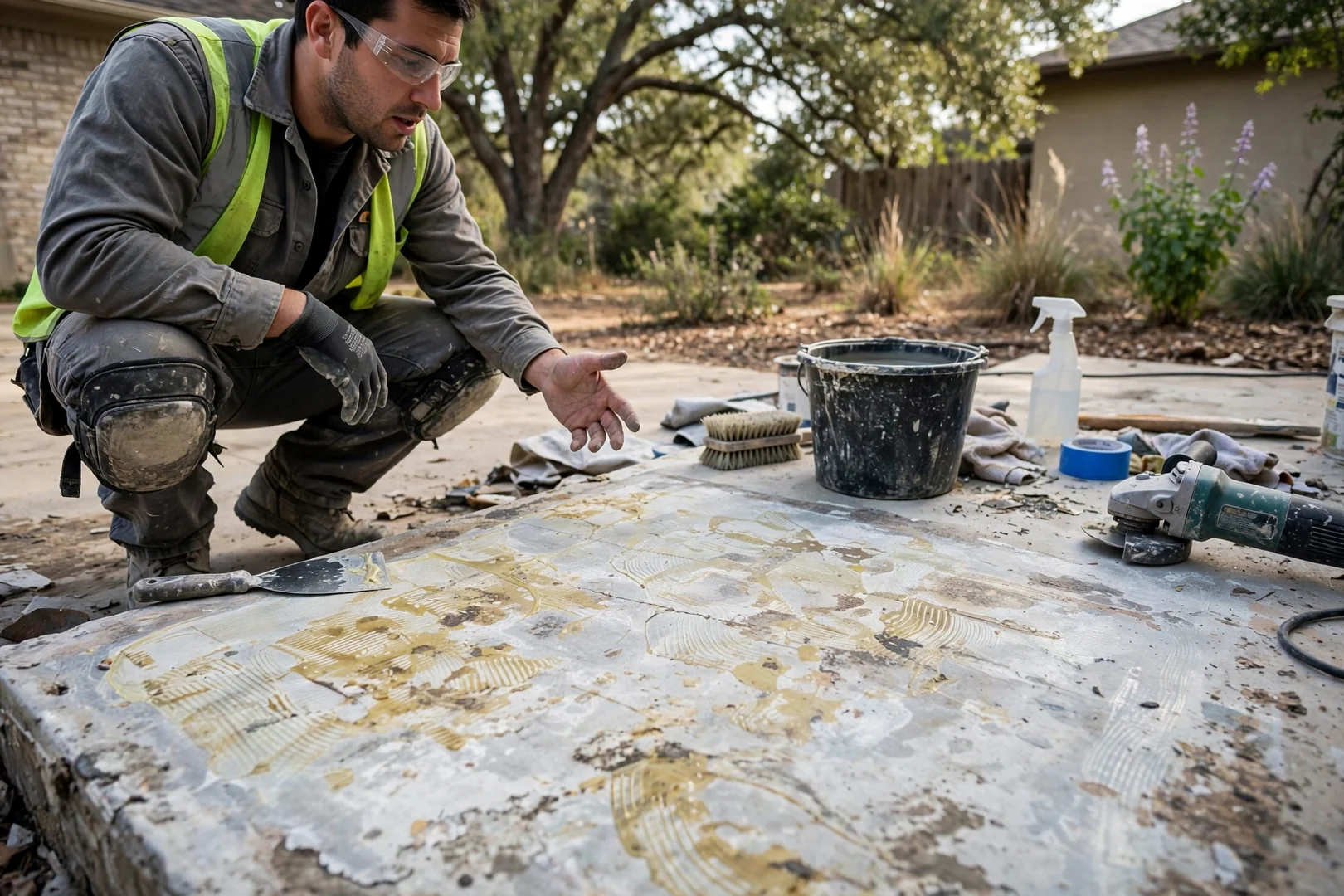
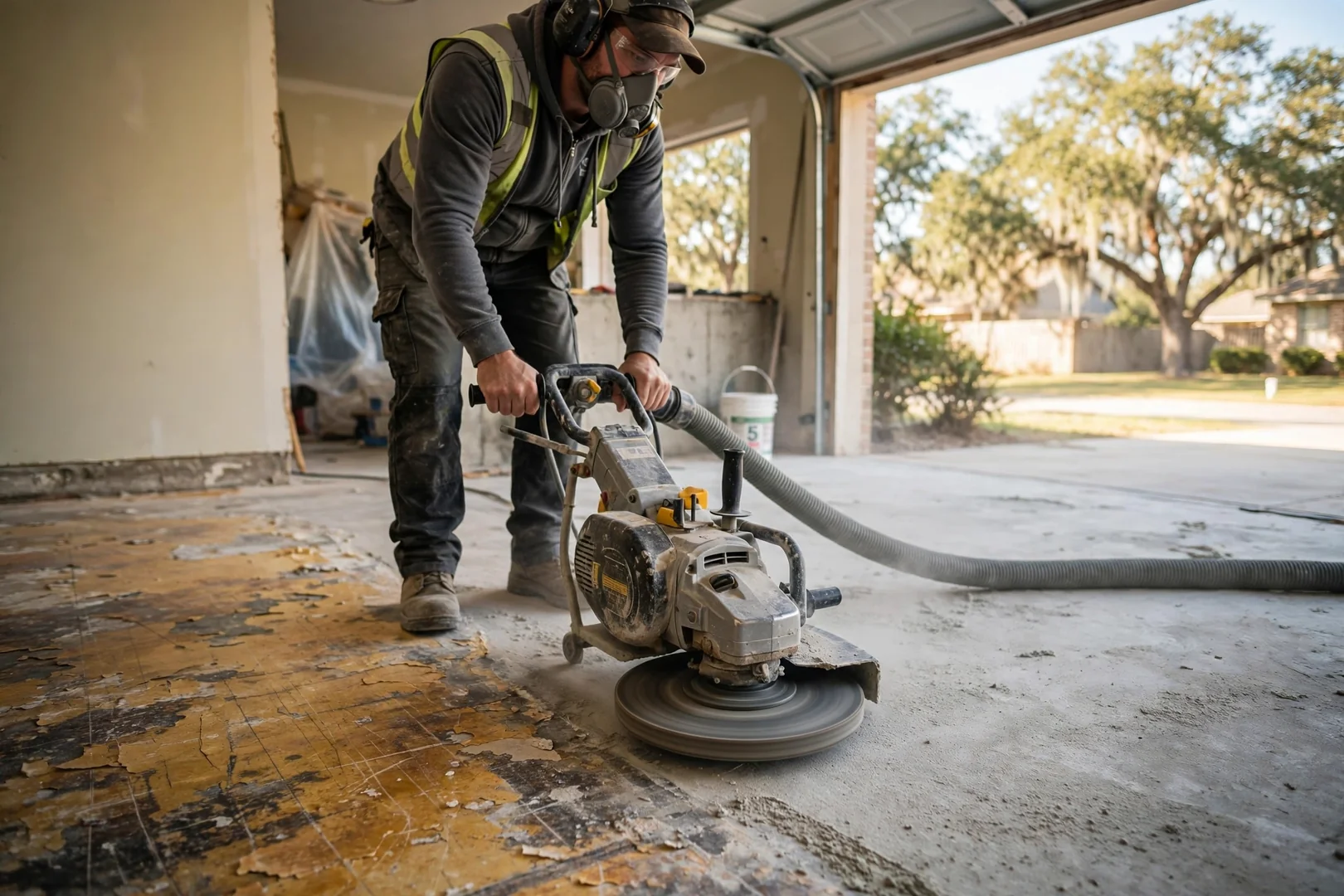
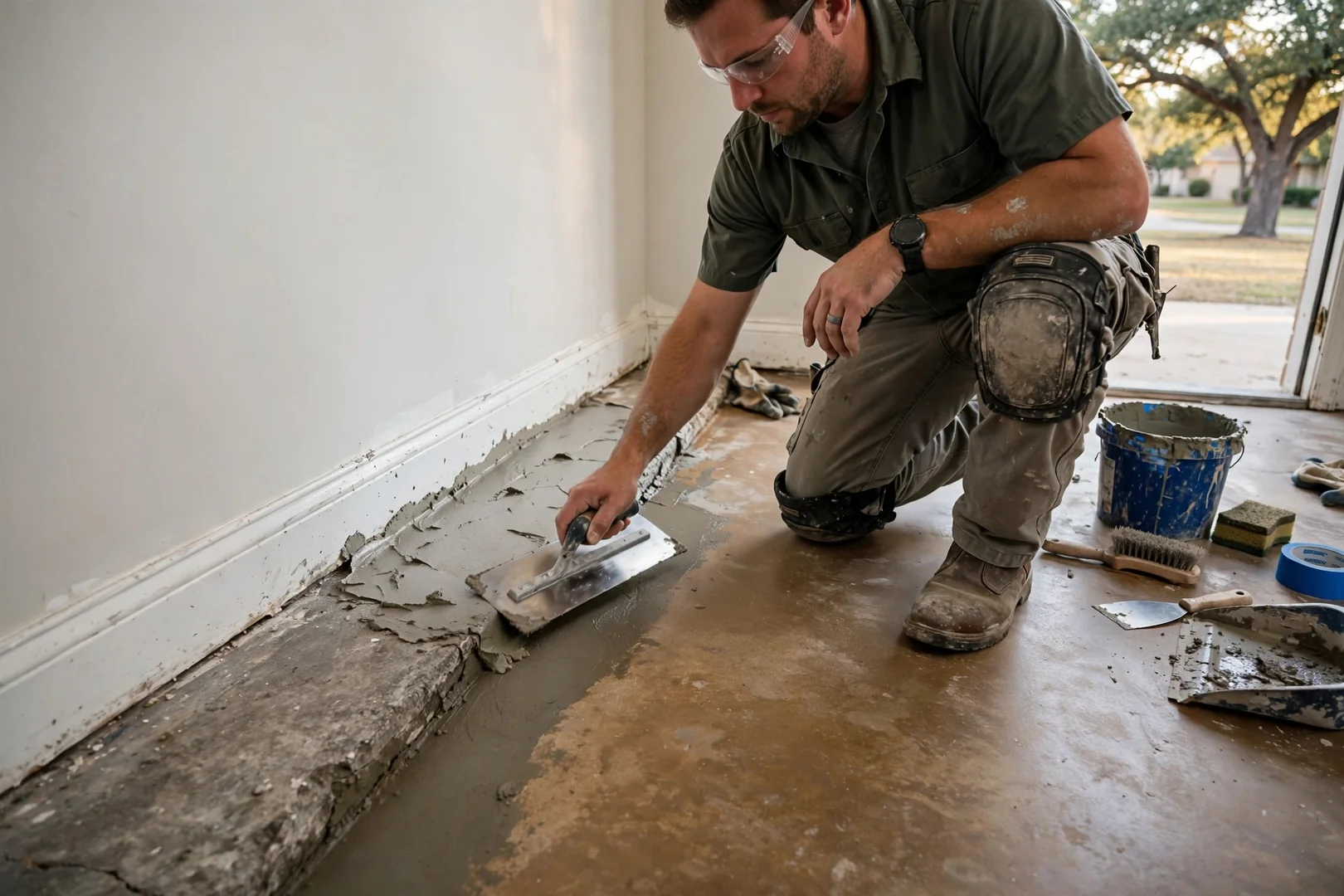
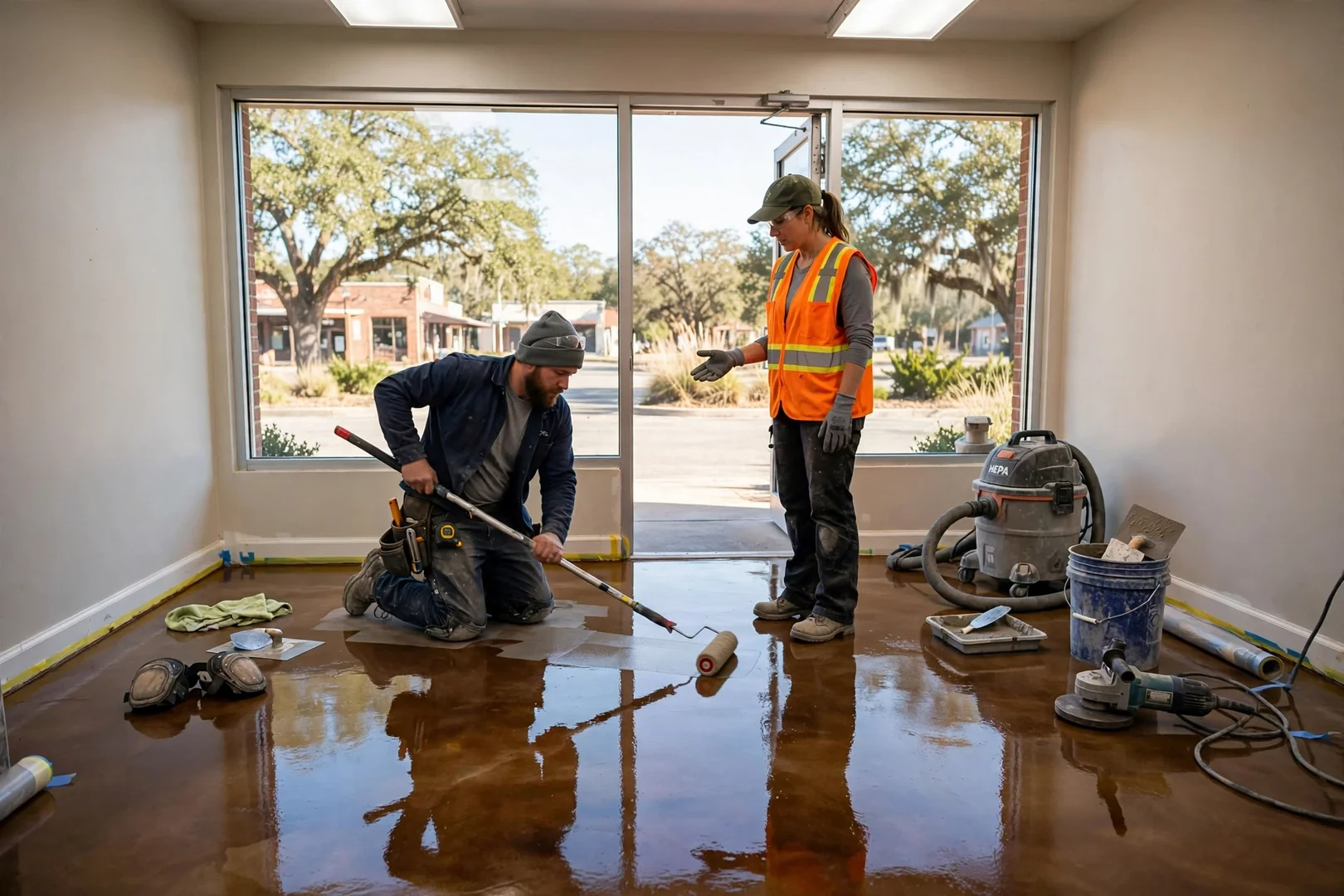
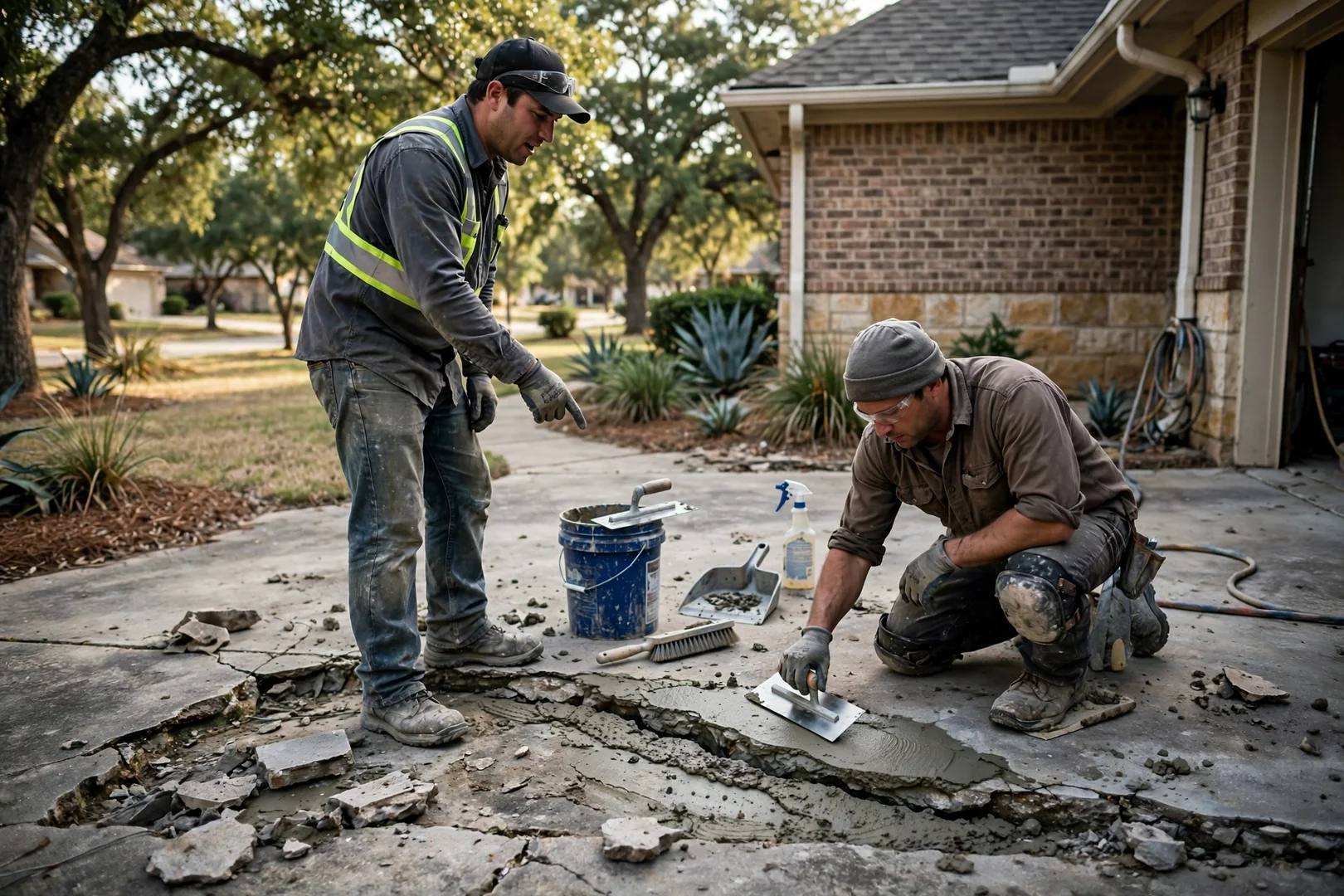
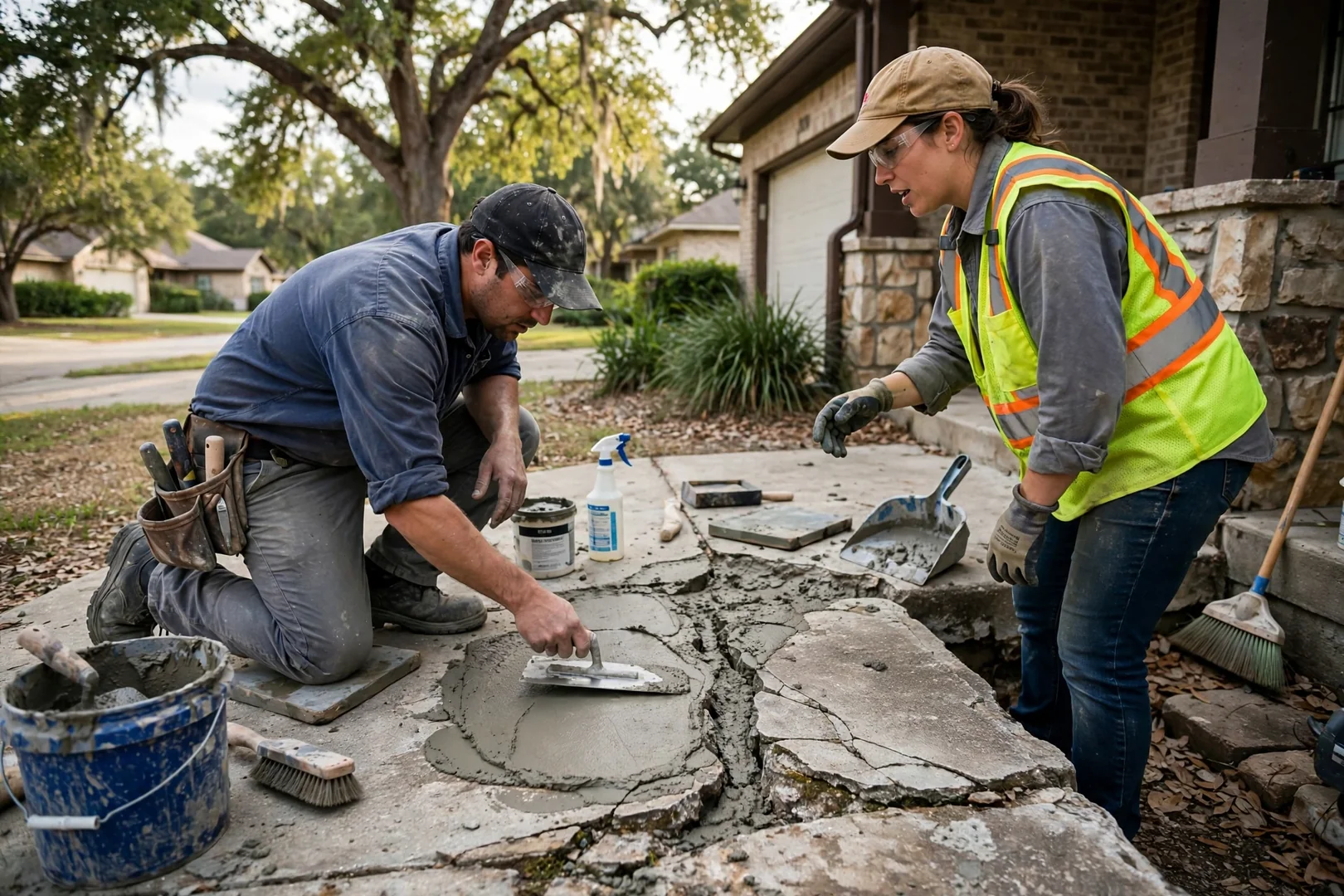
Clear signs include exposed gray slab left behind after old flooring is pulled up, blotchy discoloration, surface dusting, glue and mastic residue, and shallow spalling that makes a room look neglected. Many Highland Village homeowners first notice the problem after tearing out worn carpet or cracked ceramic tile, only to find efflorescence rings, trowel burns, and patchy curing marks across the slab. Garage floors tell a similar story, with tire scuffing, oil staining, and a chalky surface that never stops shedding fine dust. Interior slabs in older additions often show cold joints and feathered patches from past repairs that were never finished properly. None of that has to stay that way.
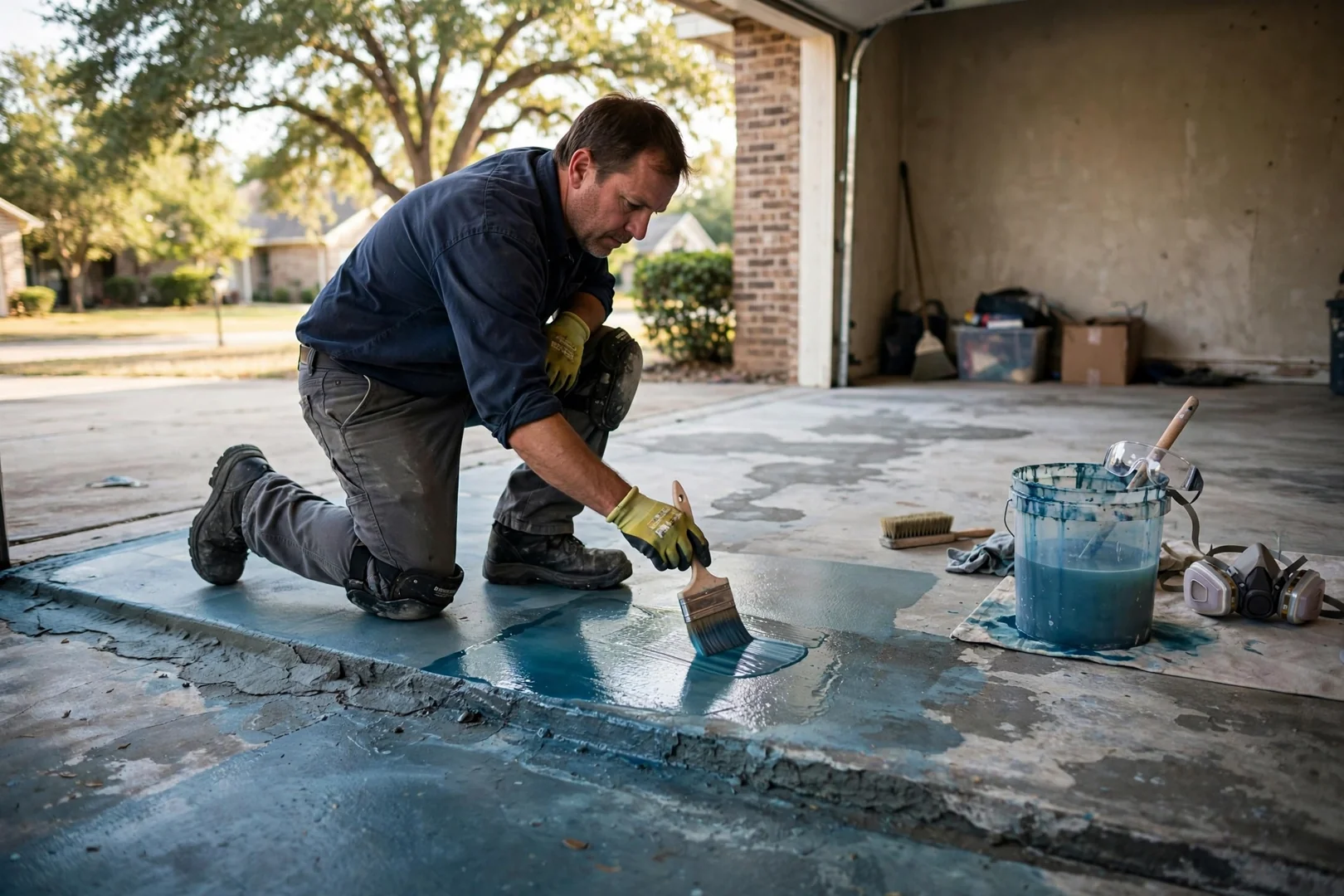
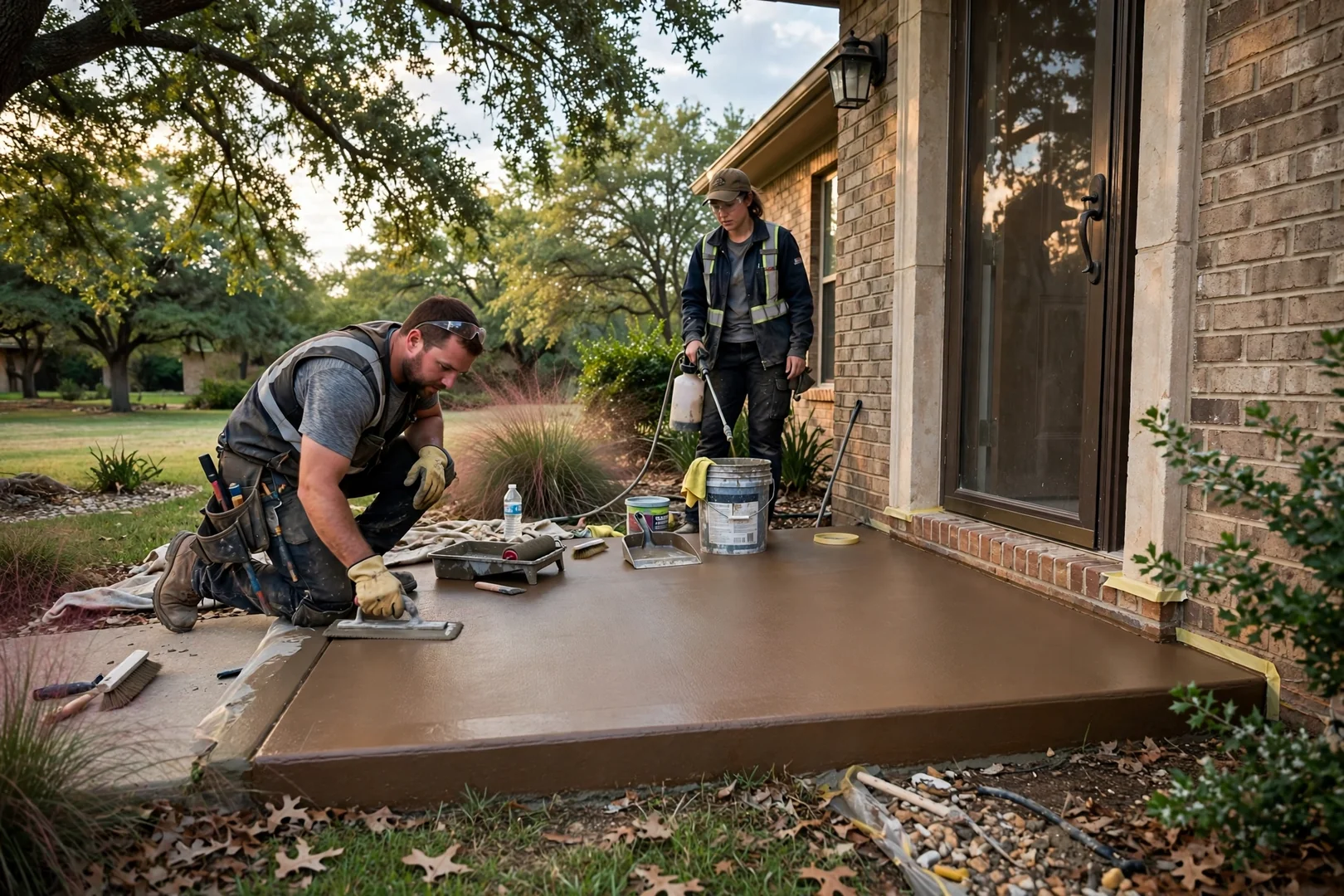
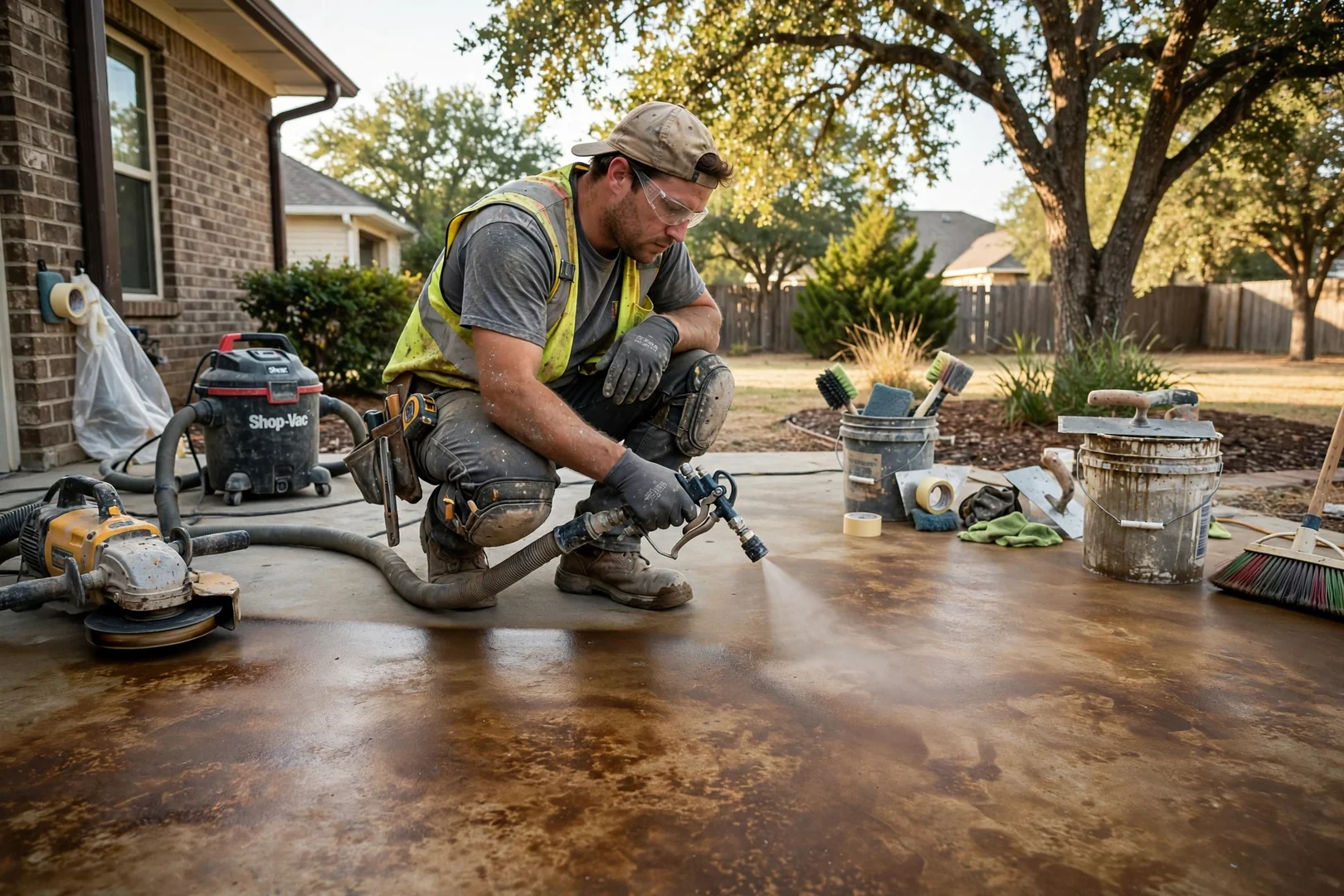
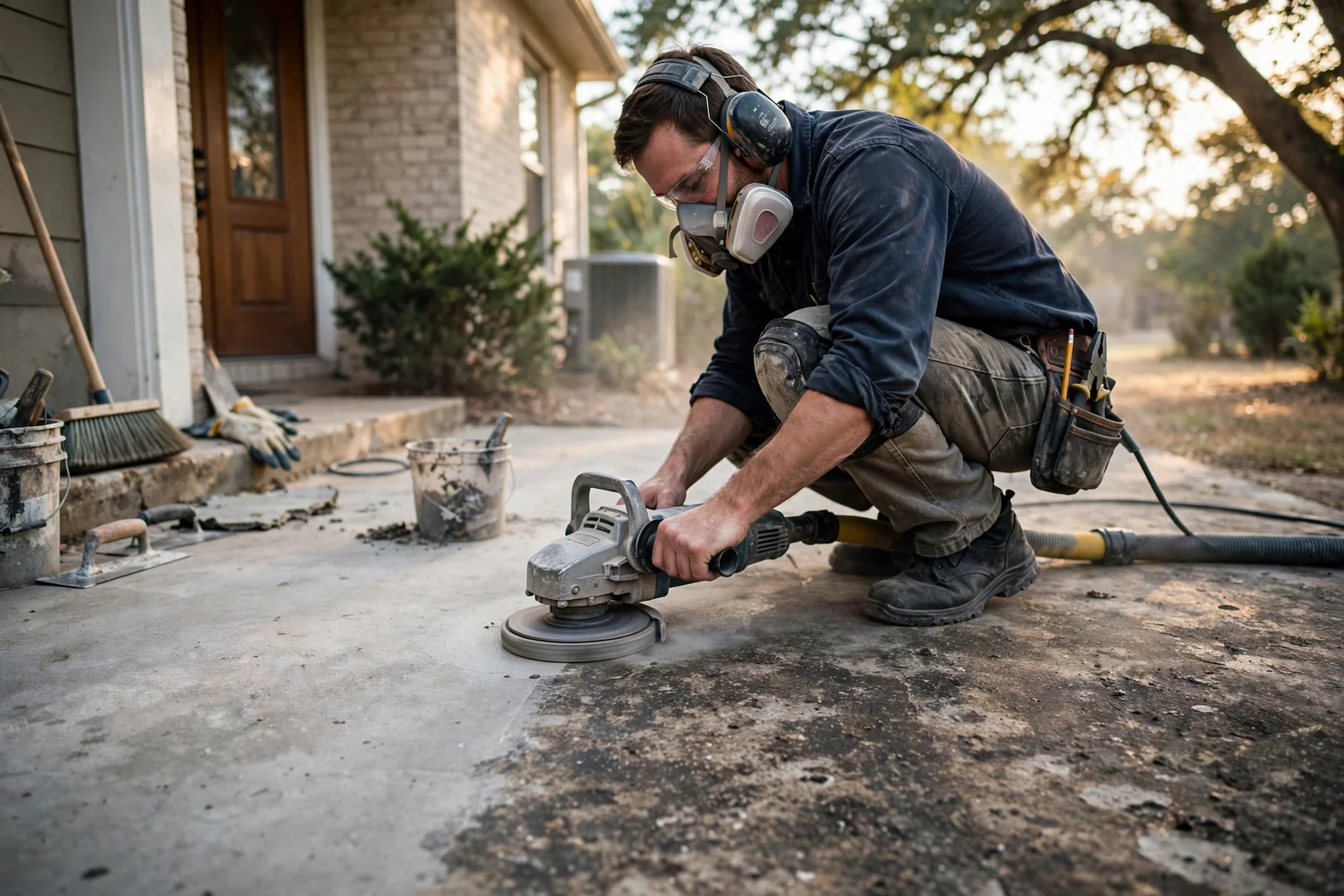
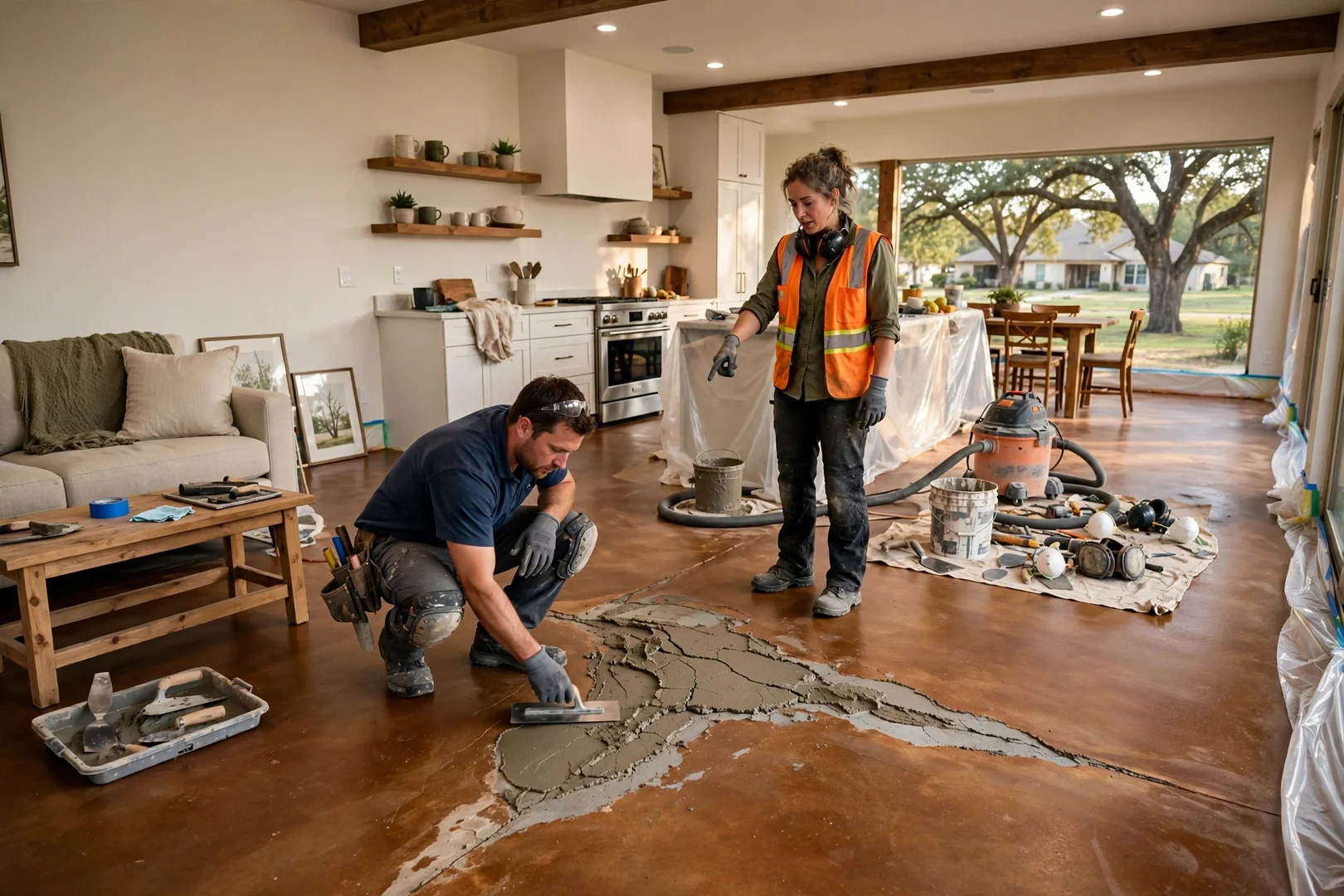
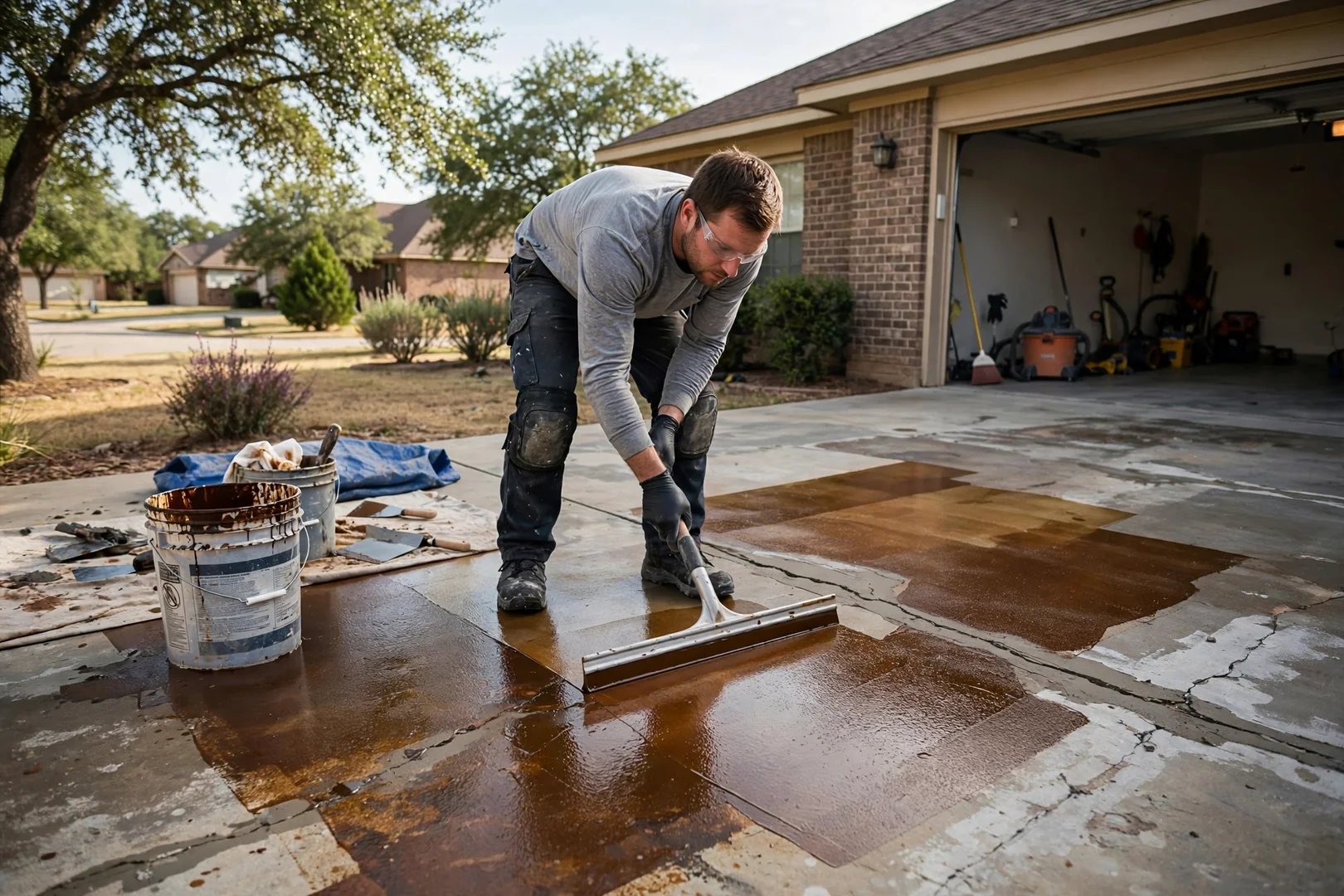
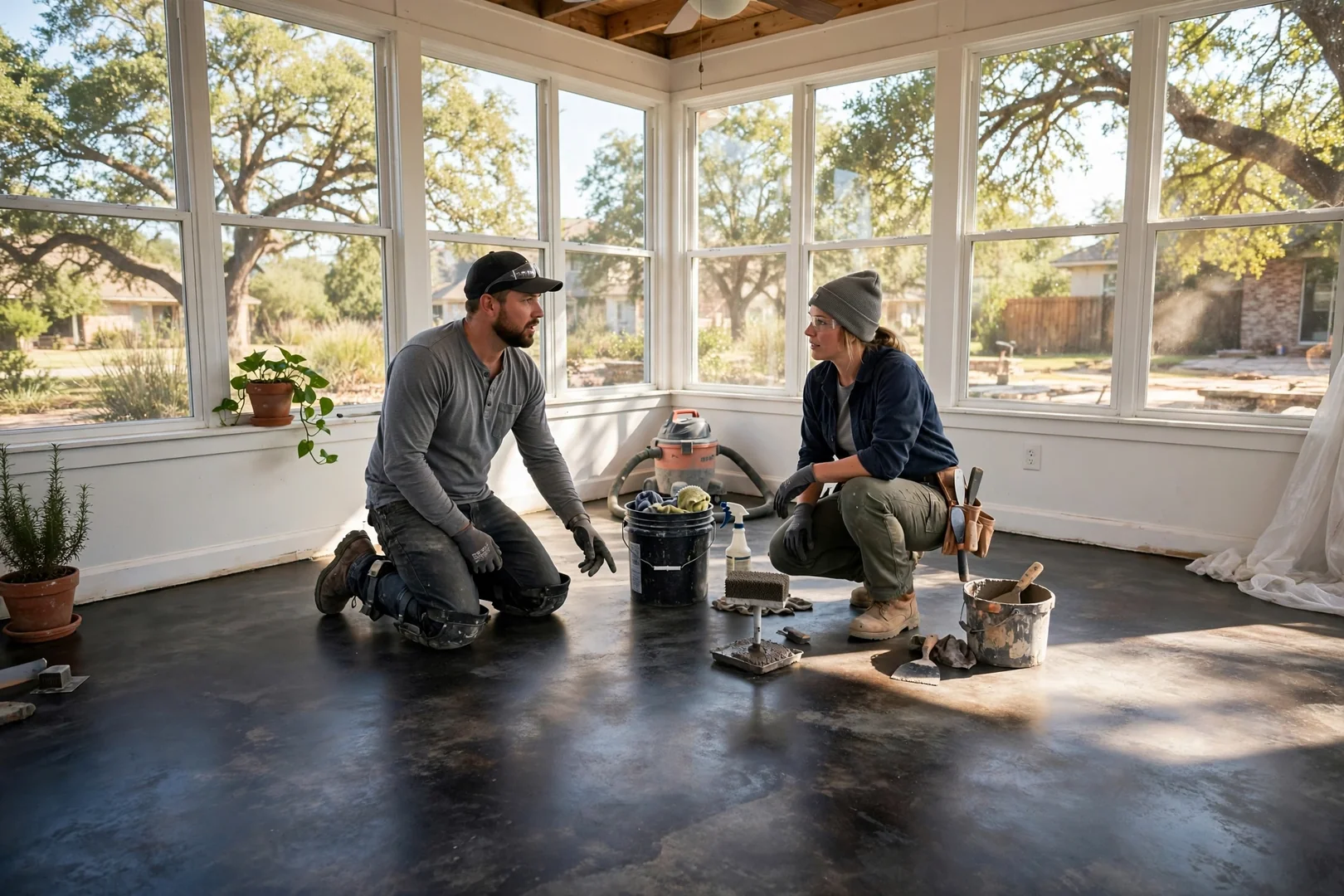
Moisture is the other quiet culprit around here. North Texas clay soils expand and contract, humidity swings move through slabs, and untreated concrete pulls in spills that leave permanent shadows. Through 2026 we are seeing plenty of requests from homeowners who want to skip another round of flooring that will fail, and staining answers that by hardening and coloring the slab itself. Grinding removes the damaged top layer, patching corrects the blemishes, reactive stain rebuilds visual depth, and the sealer locks everything in. The result is a floor that looks intentional instead of leftover, and you get a written estimate before the first grinder is unloaded.
Talk To Our Concrete Team