Foundation Repair Contractors in Highland Village, TX
Foundation repair is the work of lifting, stabilizing, and restoring a settling slab or pier-and-beam structure back to its intended elevation, and it matters most for Highland Village homes built on the shifting clay soils that run through Denton County. Those soils swell after heavy spring rain and shrink during dry summer stretches, which is how sticking doors, sloped floors, and stair-step cracks in brick get started. Our crews use helical piers, pressed concrete pilings, and polyurethane void filling after taking elevation readings across the whole floor plan, so the correction plan fits the actual movement instead of guesswork. Schedules are open through 2026, including the drier late-summer window when soil conditions make lifting more predictable. Highland Village Premier Concrete Contractors handles each project start to finish, with written estimates and a walkthrough once the piers are set.
Share a few details about the cracks, sloping, or sticking doors you are seeing and we will follow up with a written estimate.
Foundation Restoration Overview
What Our Foundation Repair Contractors Service Includes
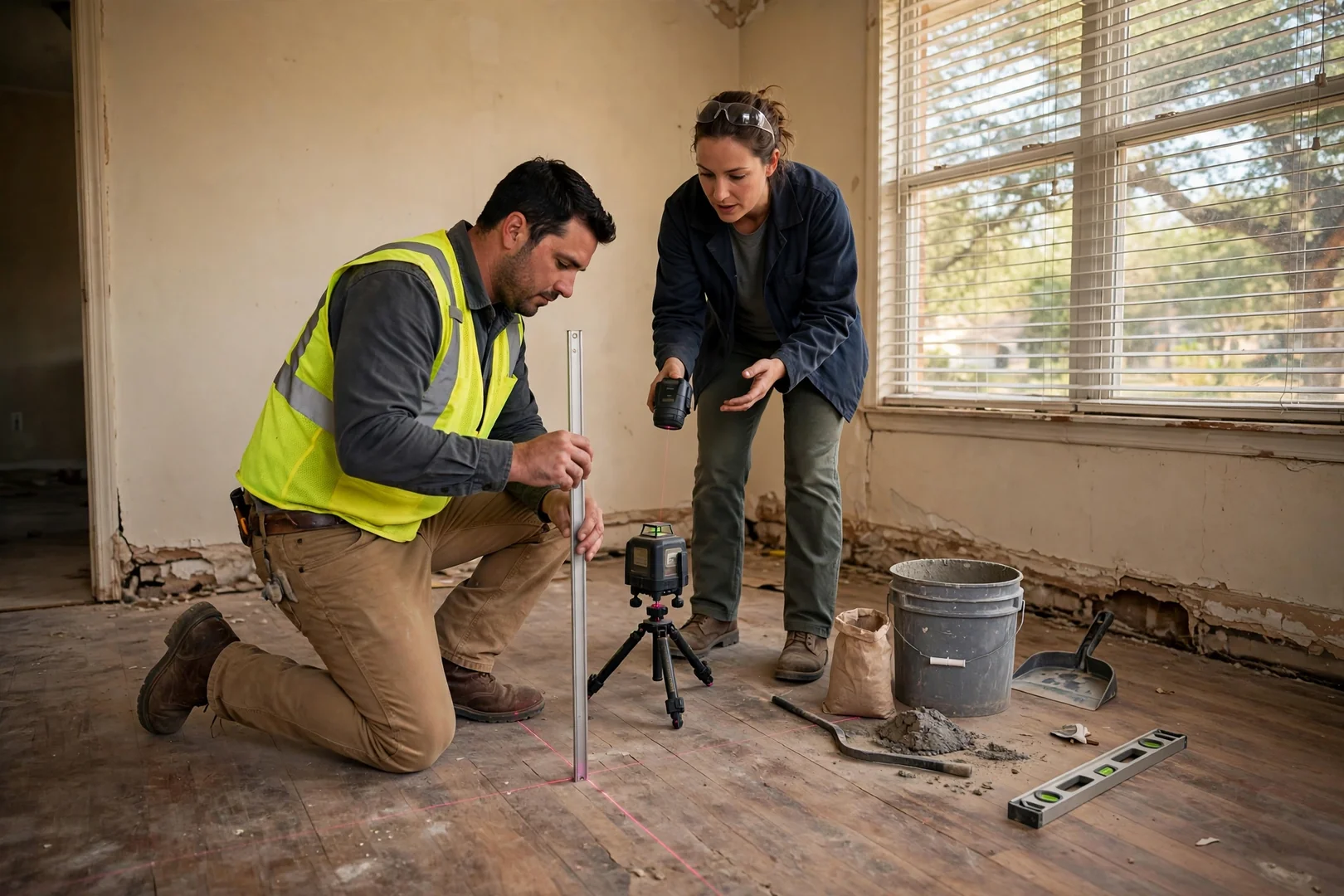
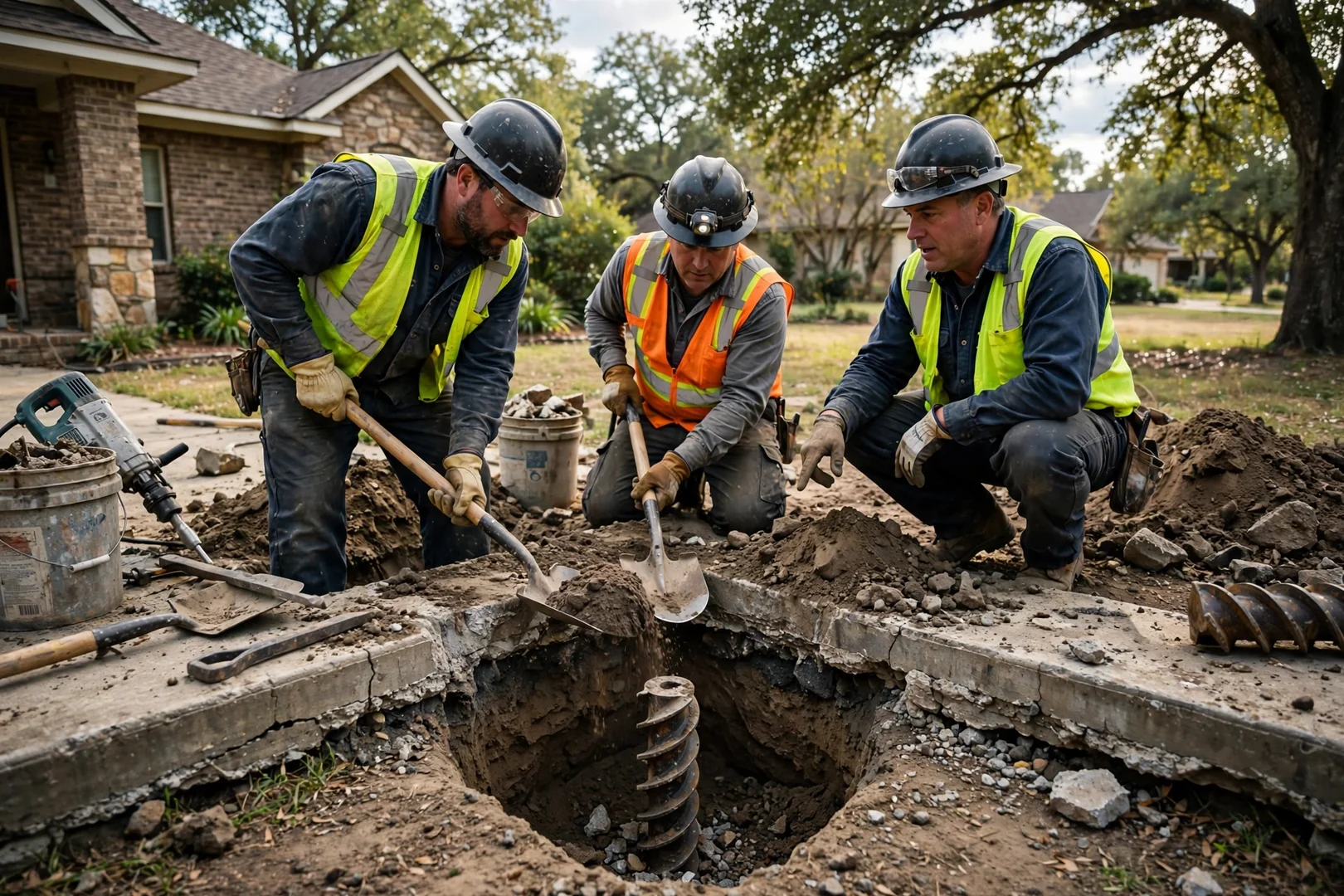
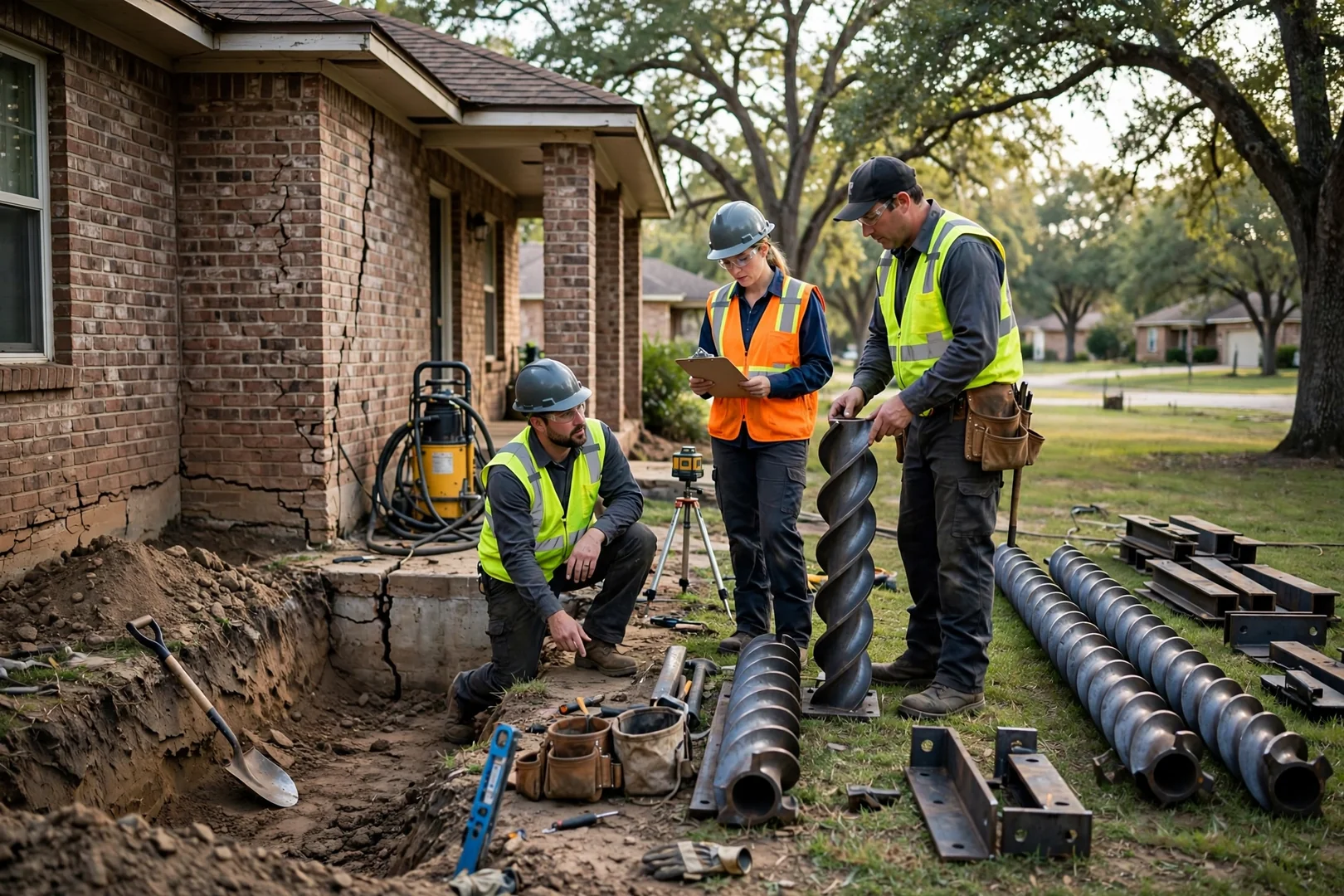
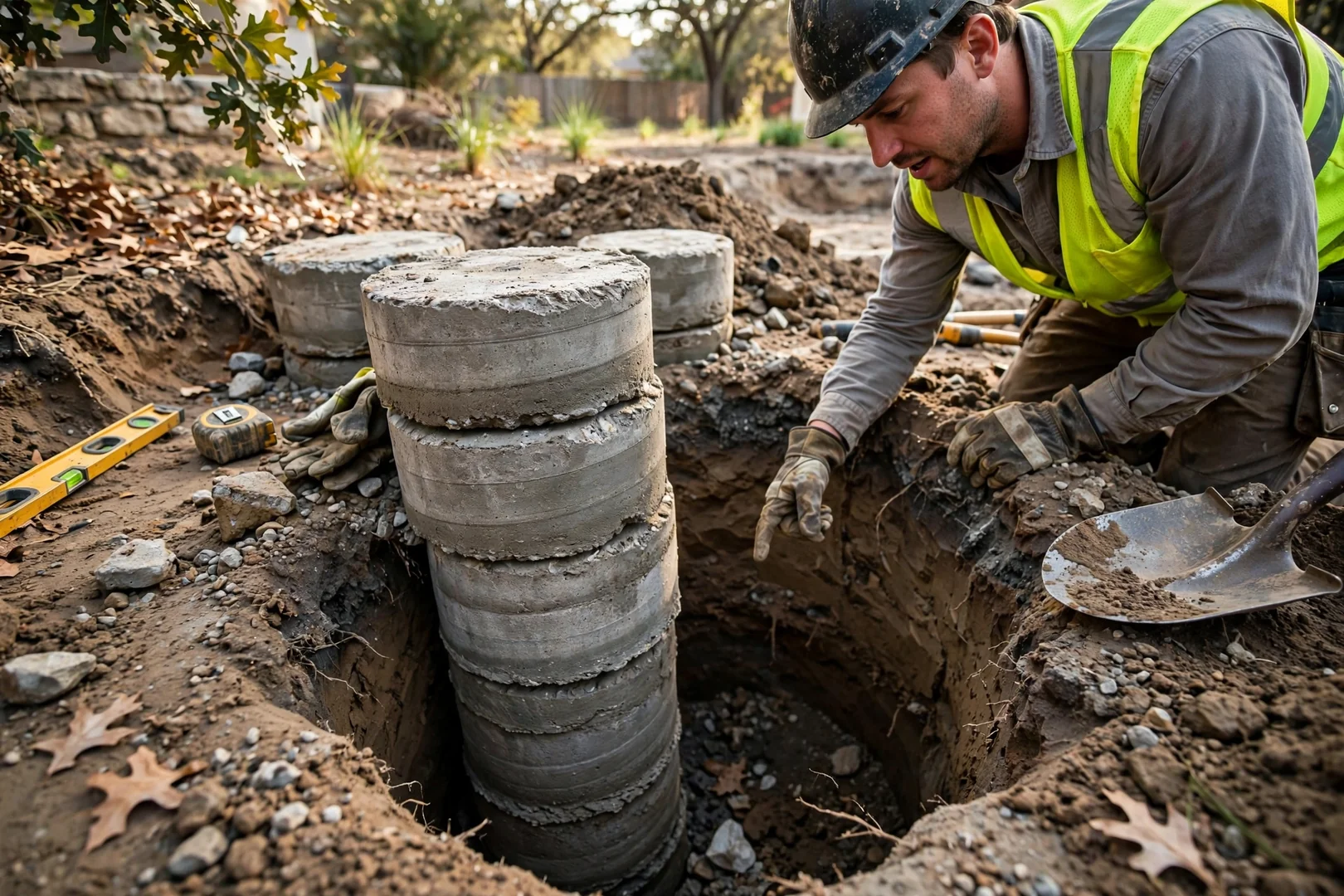
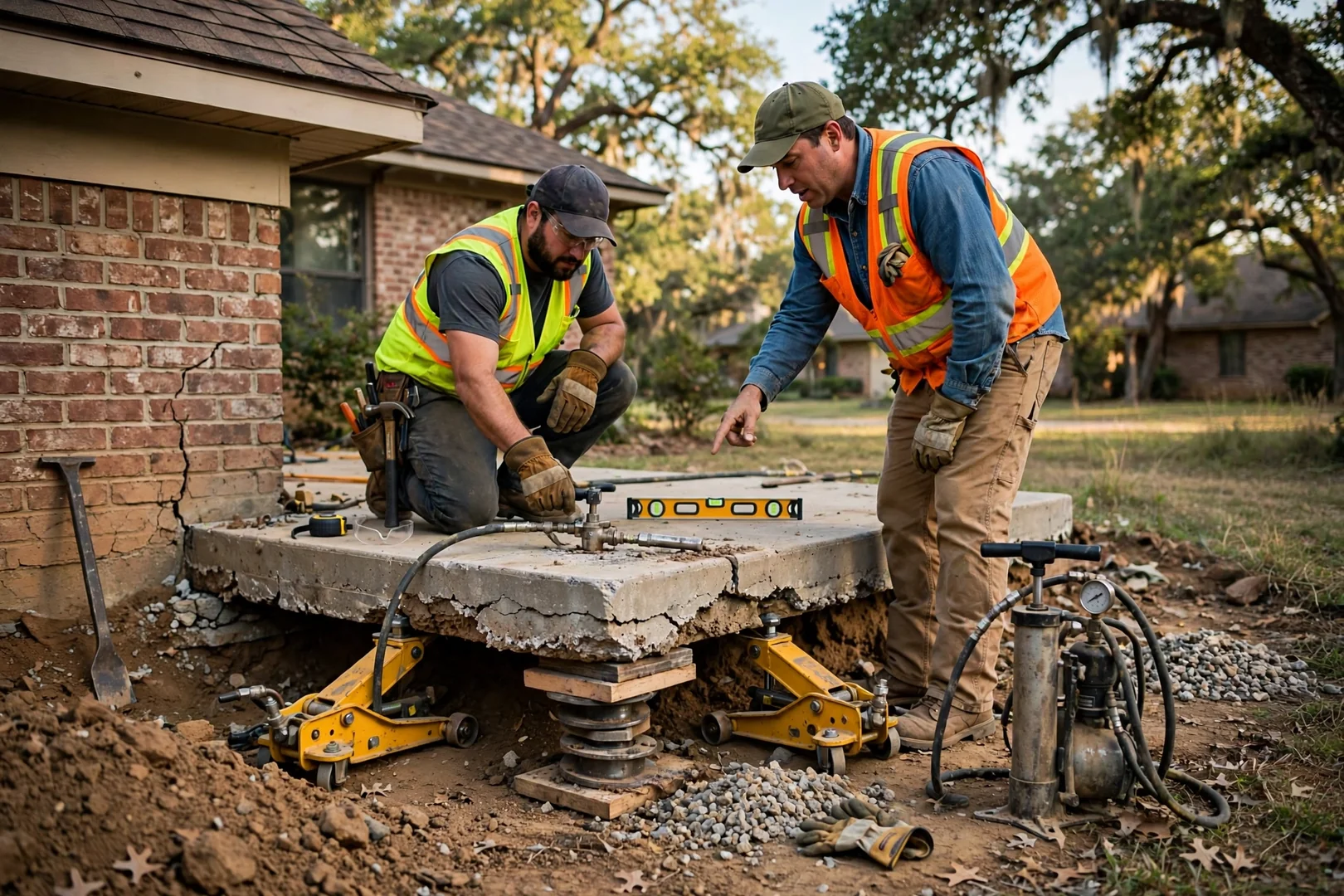
Foundation repair is the process of measuring, lifting, and permanently supporting a structure that has settled or heaved, and at Highland Village Premier Concrete Contractors it includes elevation surveys, pier installation, void filling, and slab crack restoration across Highland Village properties. Work begins with a manometer survey of the interior floors paired with an exterior grade and drainage review, which tells us whether the movement is settlement, center heave, or a combination of both. From there we choose between pressed concrete pilings, steel push piers, or helical piers based on soil depth, load path, and access around the home. Crews excavate at each pier location, drive the support to load-bearing strata, then lift in measured increments while monitoring the slab so interior finishes are protected.
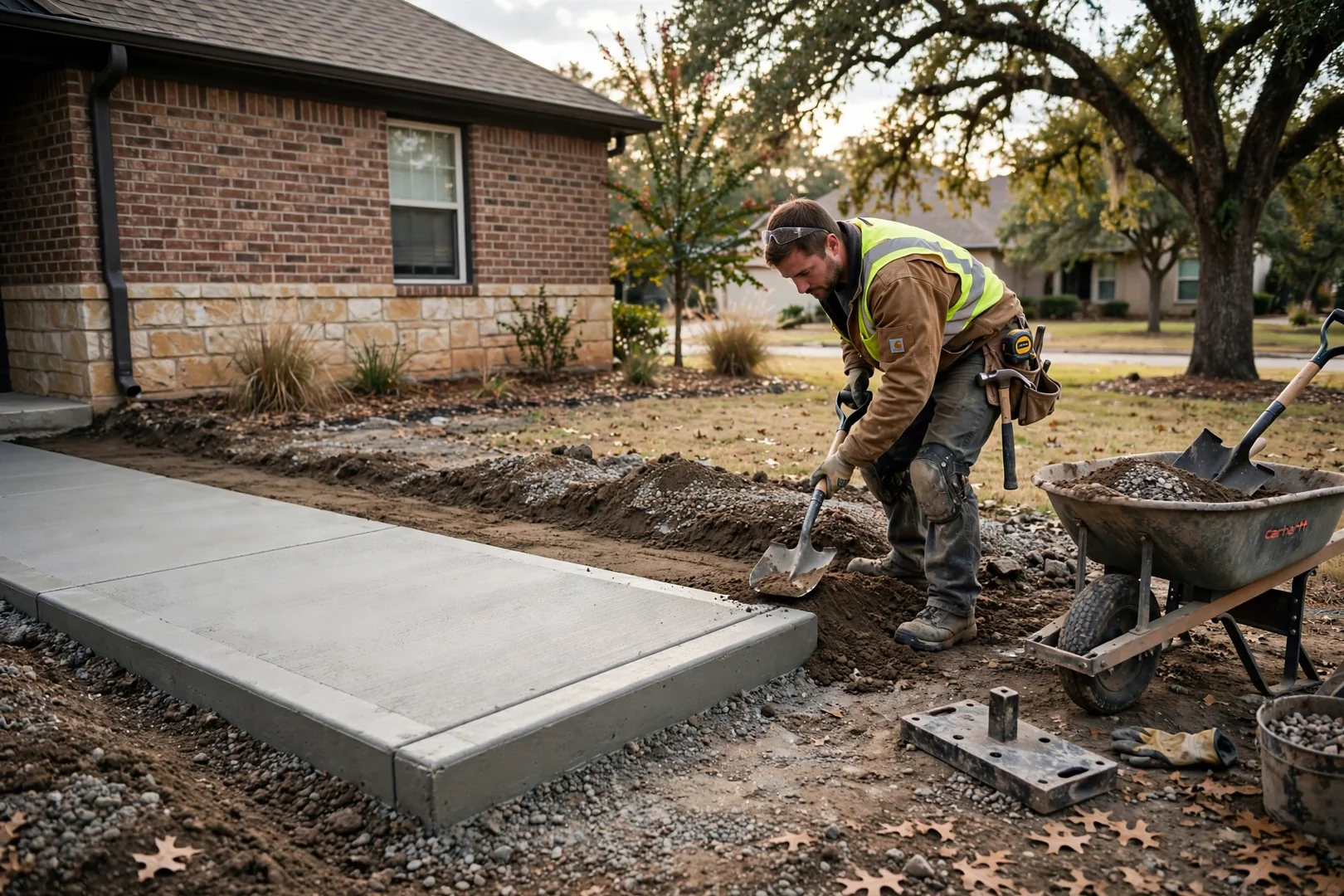
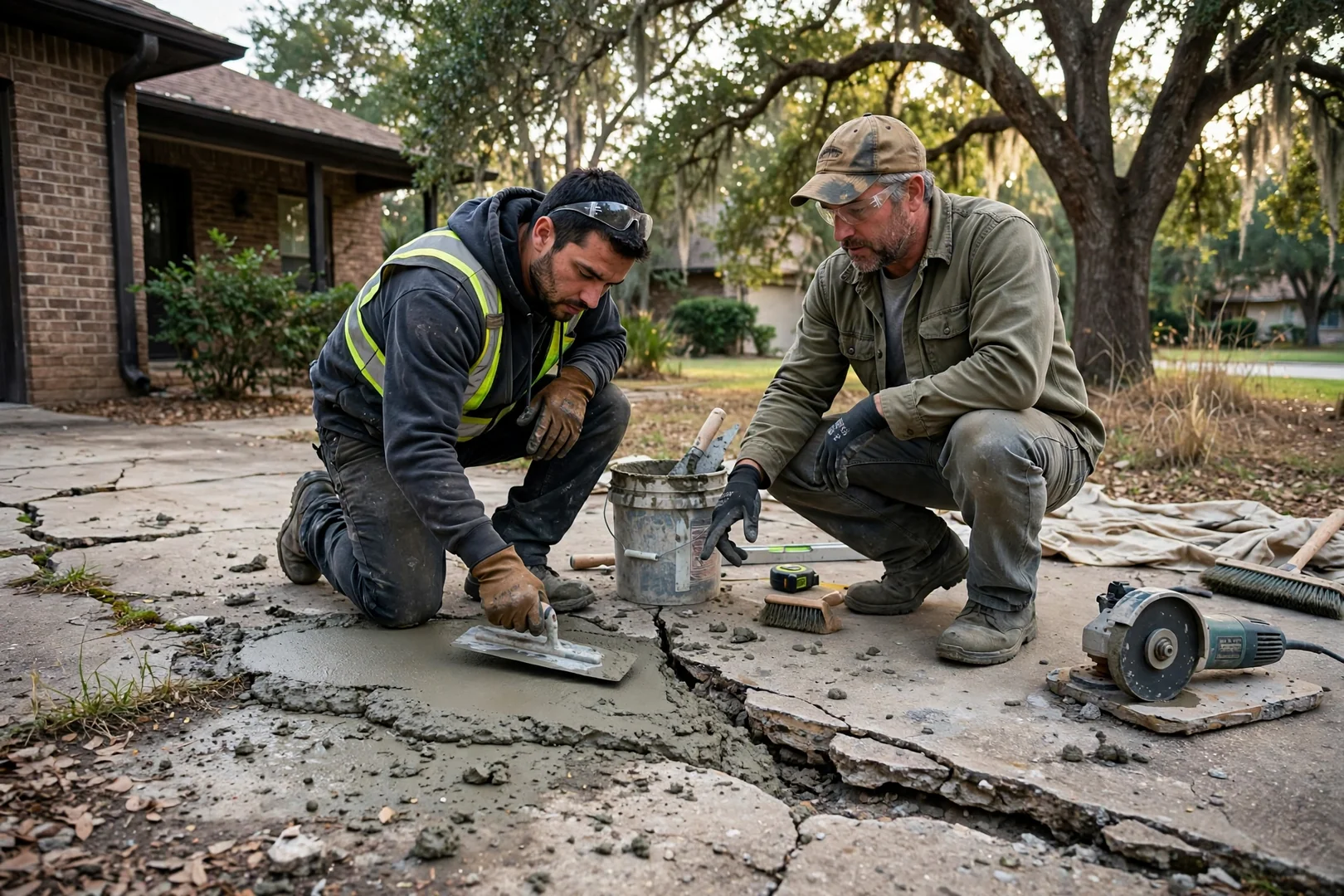
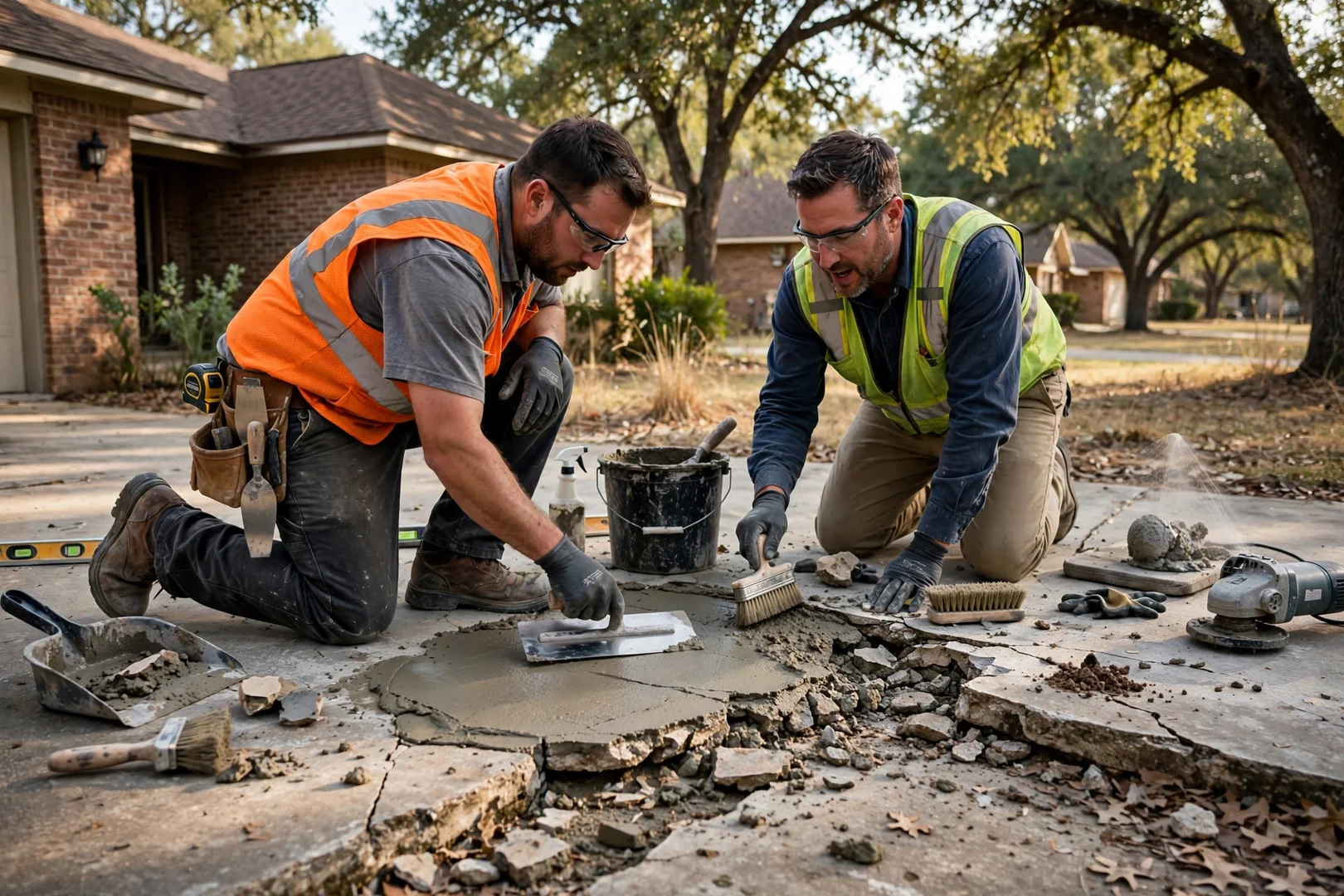
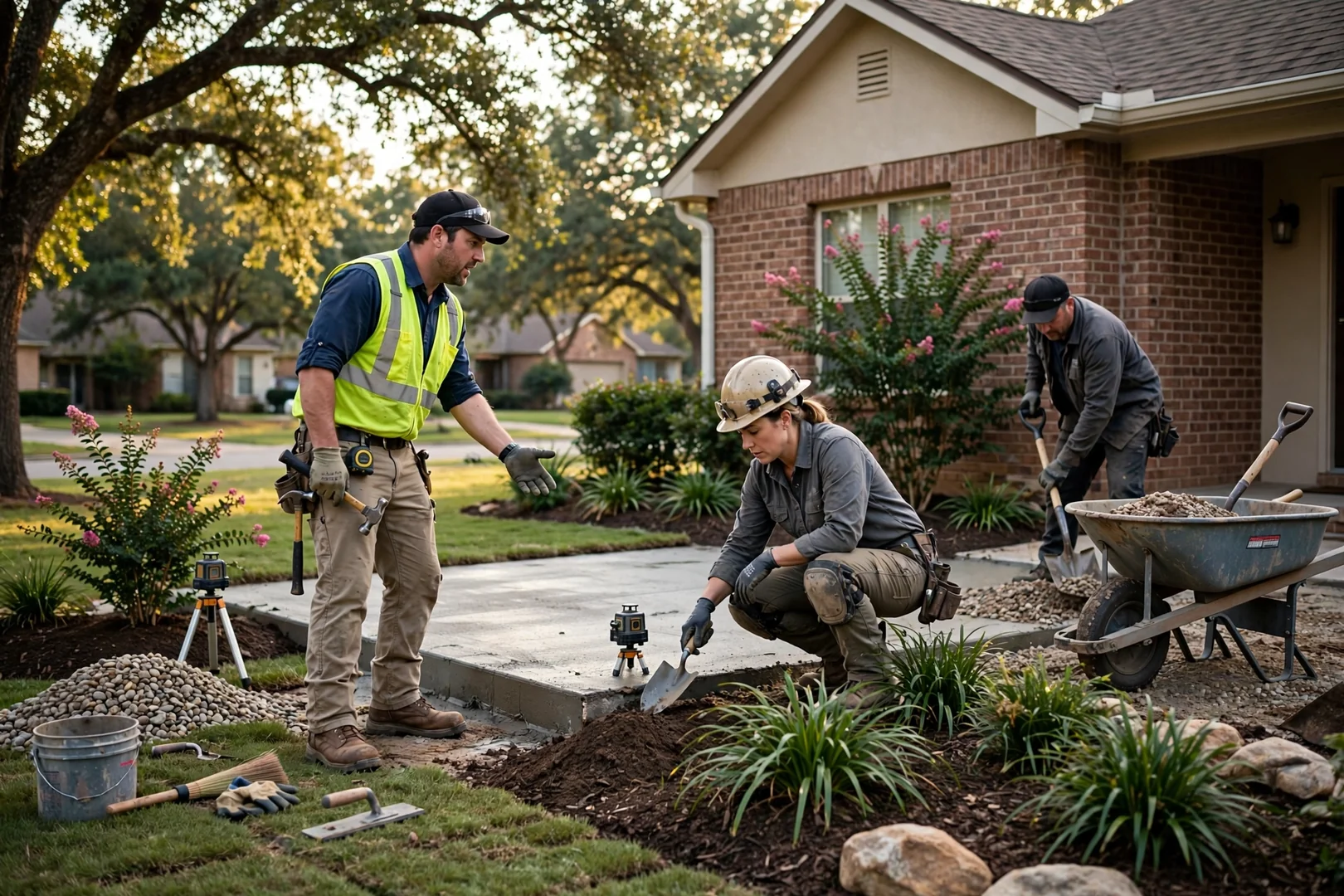
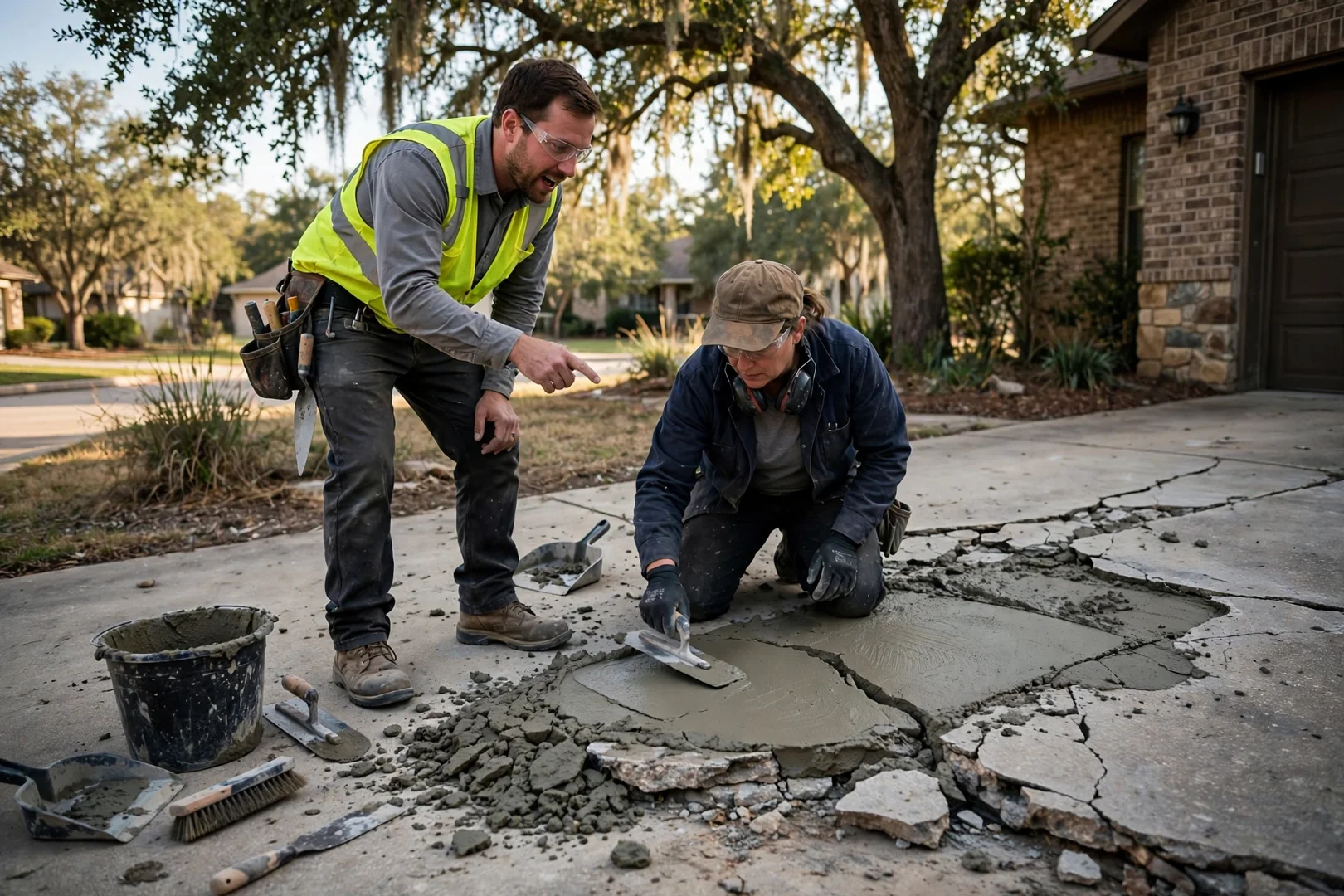
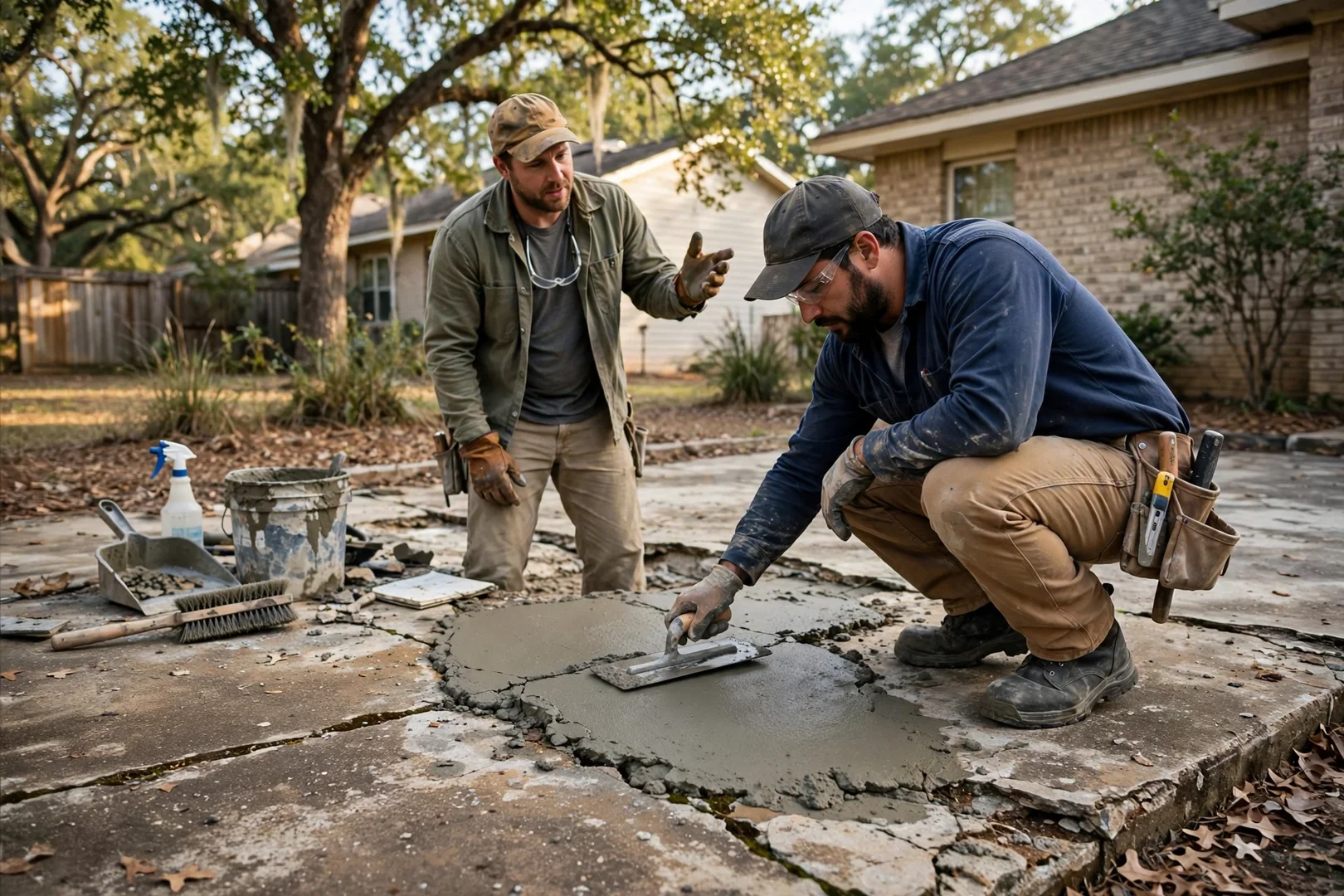
Residential slabs, pier-and-beam cottages, multi-unit buildings, and small commercial pads around Highland Village all go through the same careful sequence, just scaled to the structure. Backfill, grade correction, and polyurethane void fill follow the lift so the restored elevation holds instead of drifting back. We also repair the visible damage that came along with the movement, including slab cracks, separated patios, and sunken walkways that connect to the house. Our 2026 approach leans on seasonal timing, scheduling lifts when soil moisture is steadier so corrections settle in cleanly. Every project closes with a post-job walkthrough. Homeowners get a written estimate up front and a clear explanation of what was corrected and why.
What Signs Mean Your Property Needs Foundation Repair?
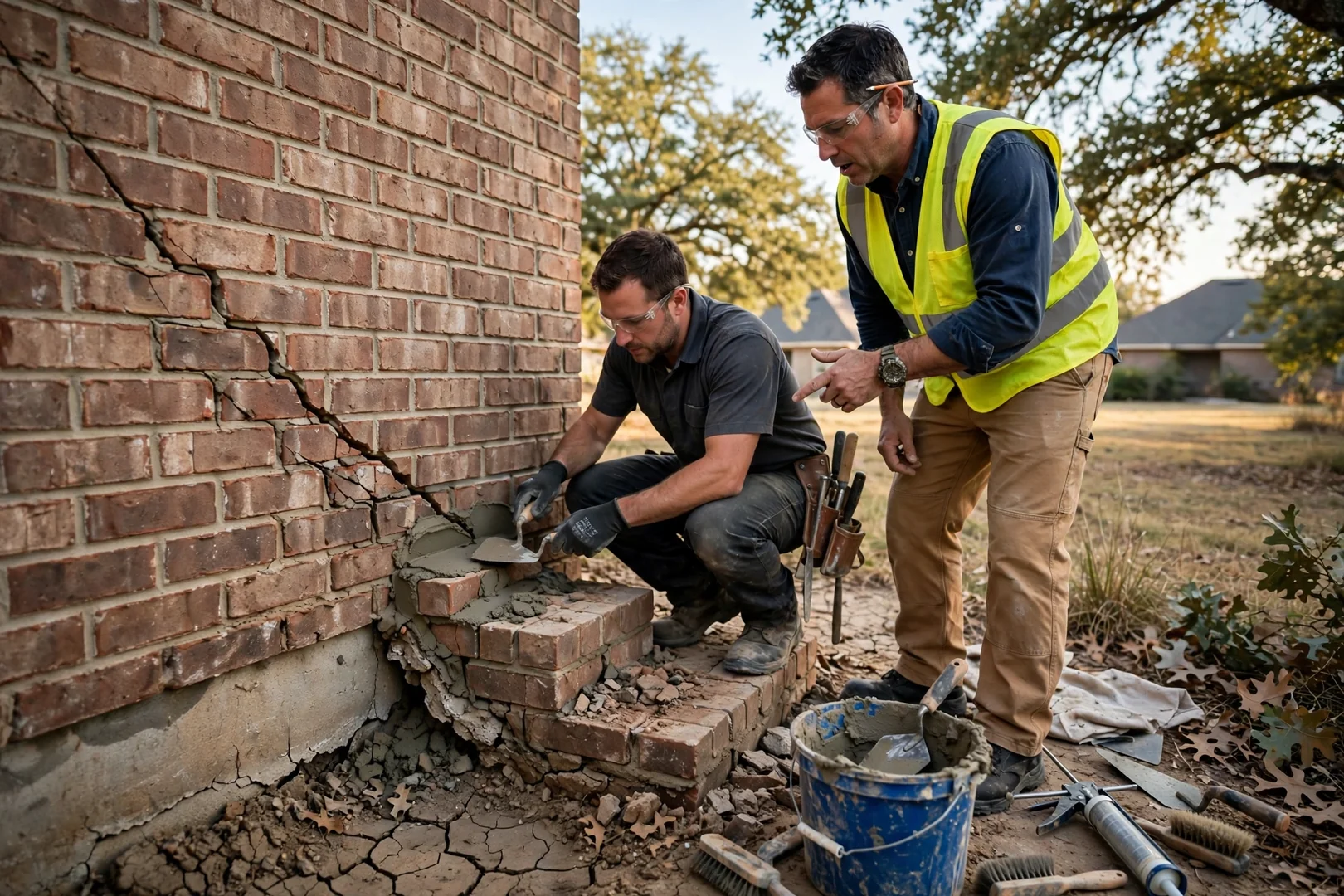
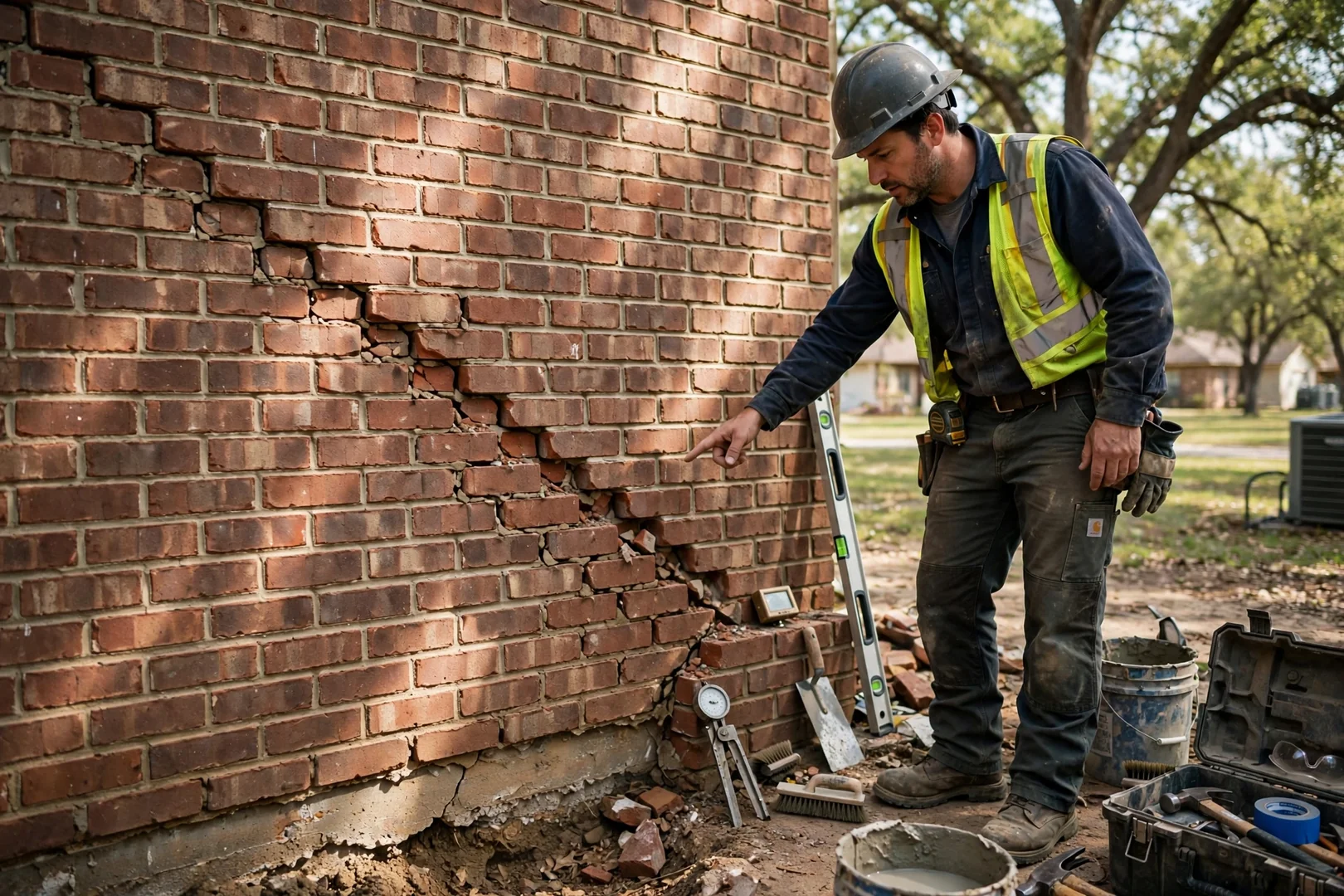
Foundation repair is needed when a structure shows measurable differential settlement, which usually appears as sloping floors, stair-step cracks in brick veneer, doors and windows that stick, and gaps opening between walls and trim. Many Highland Village homeowners first notice a hairline crack above a doorway, then a tile seam that pops, then a patio pulling away from the slab edge. Underneath those symptoms is almost always expansive clay soil moving with the weather, poor perimeter drainage, or old plumbing leaks softening the bearing soil. Crawl spaces tell a similar story through sagging beams and shimmed piers.
Left alone, small movement turns into larger slab cracks, separated grout lines, and chimneys that lean away from the wall. Early 2026 brought the familiar North Texas pattern of wet winter soil followed by quick drying, and that swing is exactly what pushes marginal foundations past the point of easy correction. Catching it early costs less. Foundation repair corrects the cause and the symptoms together by returning the slab or beam system to a supported elevation, filling voids beneath it, and improving drainage so Highland Village properties stay stable through future seasons. We start with a written estimate and an honest read on whether repair is warranted yet.
How Does Our Foundation Repair Process Work in Highland Village?
Our foundation repair process follows a four-step sequence built around elevation measurement, documented findings, corrective pier installation, and verified re-leveling. Every 2026 project starts with a walk of the property, where we check interior floor elevations, door and window gaps, and visible slab cracks before recommending anything. Highland Village sits on expansive clay soil that swells and shrinks with our wet springs and dry late summers, so we map moisture conditions and drainage patterns around the perimeter first. From there, we build a pier layout that lifts the slab back toward its original plane gradually. Nothing gets rushed. You receive written documentation at each stage.
We take interior elevation readings with a manometer, note sticking doors, separated trim, and slab cracks, then inspect grading, gutters, and plumbing areas outside. Findings are photographed and explained in plain language so you understand what is actually moving and why.
Repair Plan and Written Estimate
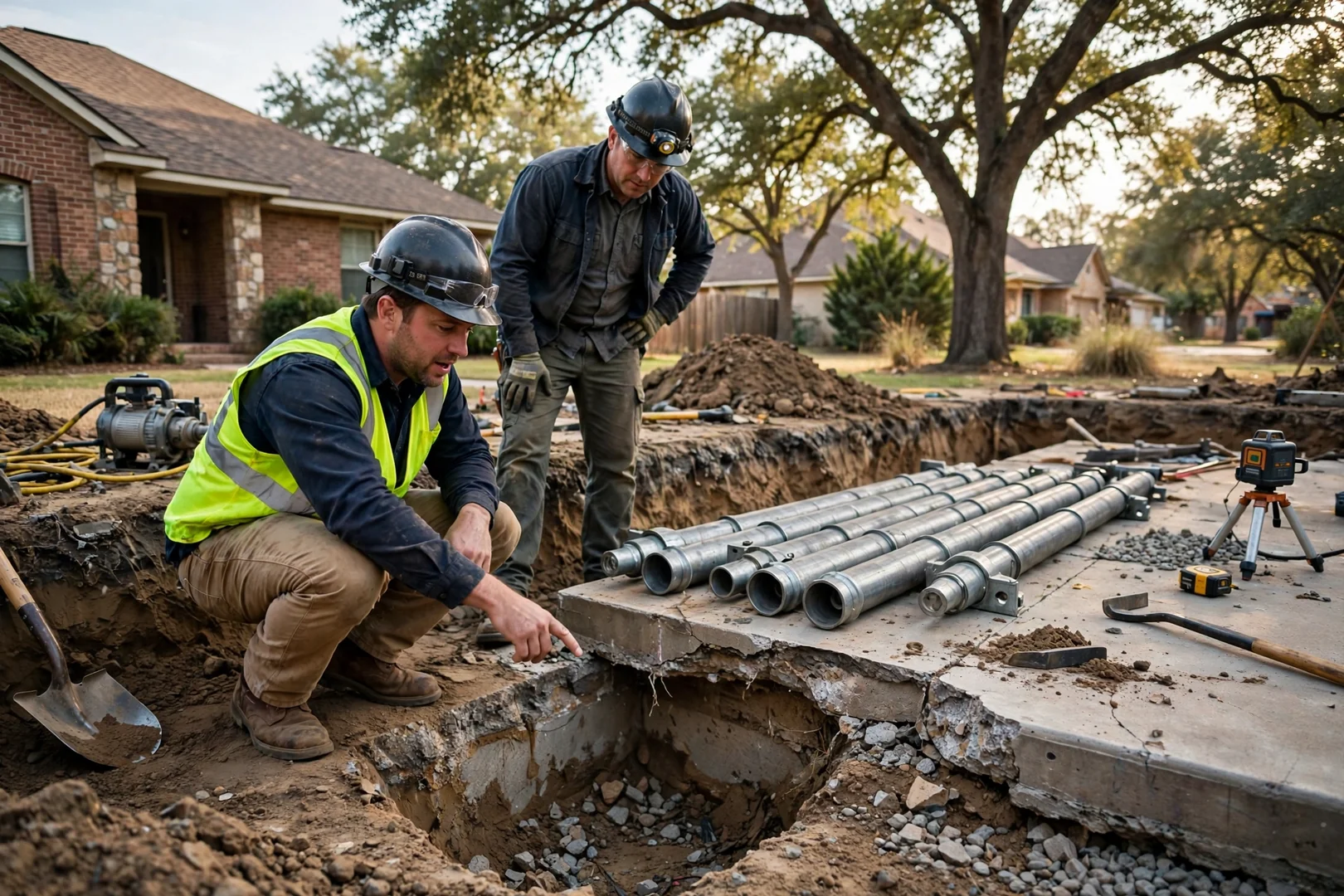
Based on the measurements, we map pier spacing and depth for your slab or pier-and-beam structure, choosing between pressed concrete pilings or steel piers depending on soil conditions. You get a written estimate listing pier count, access points, and the lift target before work begins.
Pier Installation and Controlled Lift
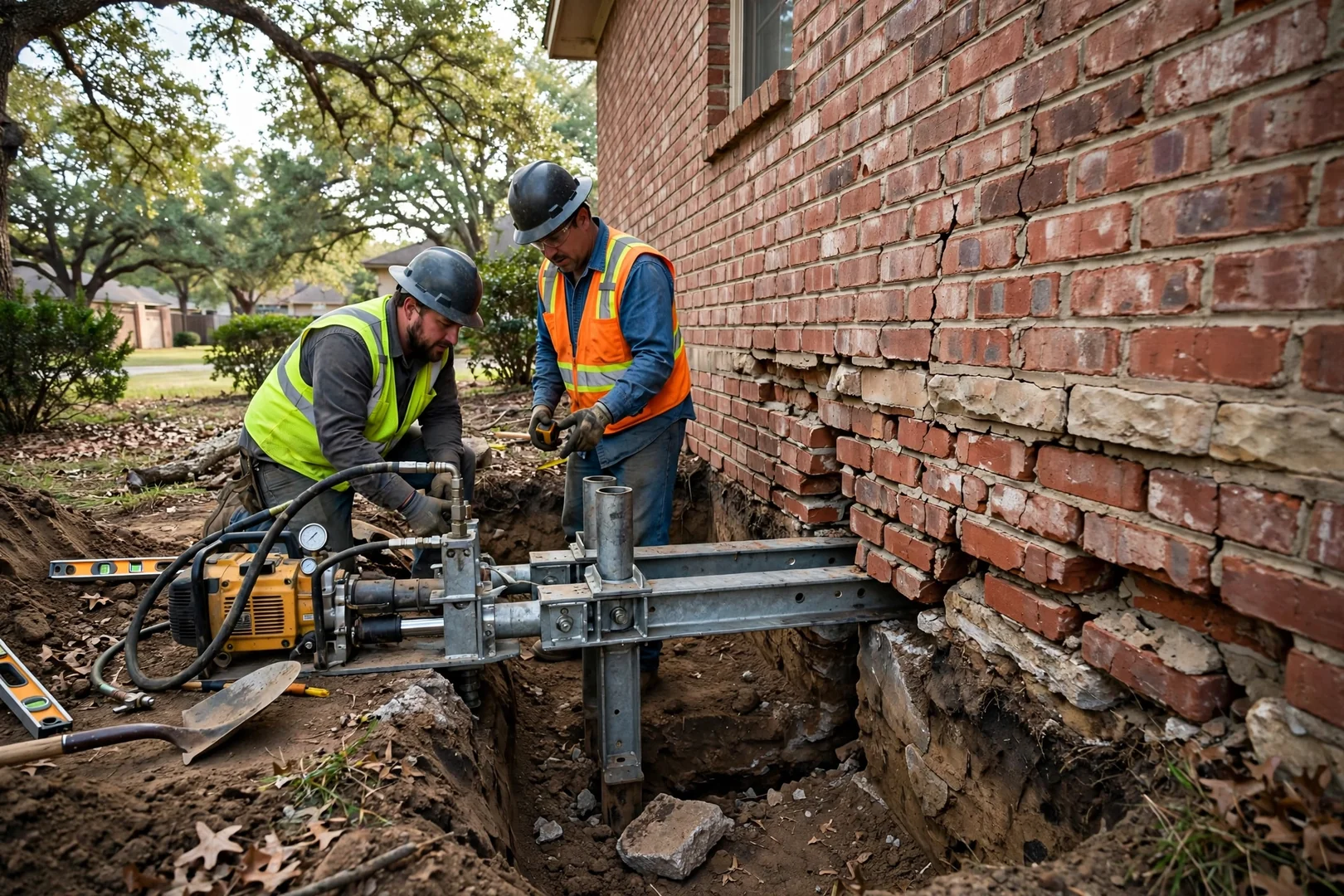
Crews excavate access holes, drive pilings to load-bearing strata, and set hydraulic jacks to raise the foundation in small increments. Lifting is monitored with elevation readings throughout so interior finishes adjust gradually instead of stressing drywall and brick veneer.
Restoration, Cleanup, and Walkthrough
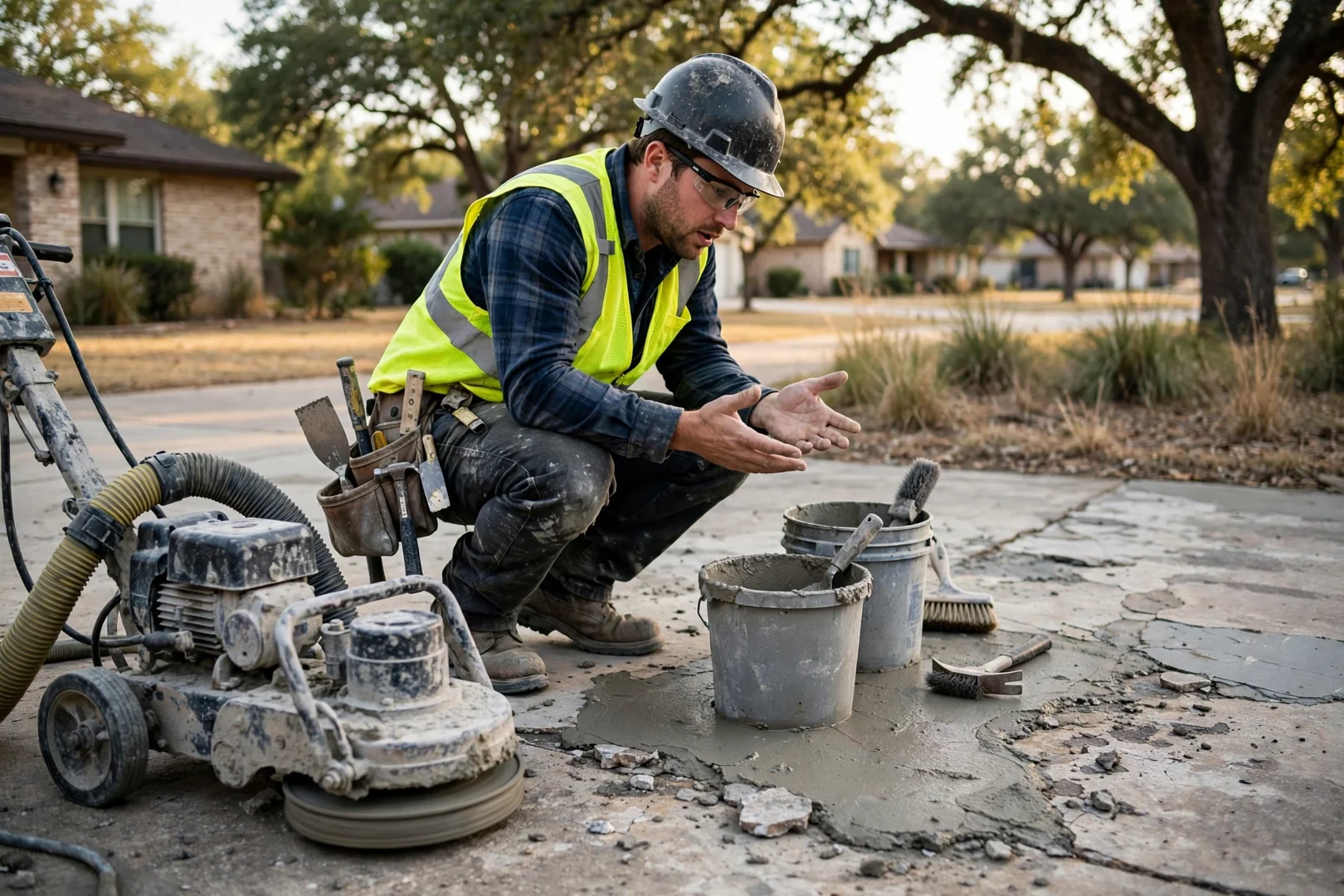
Excavated areas are backfilled and compacted, landscaping is put back as closely as possible, and affected concrete is patched. We finish with a post-job walkthrough, final elevation comparison, photo records, and drainage suggestions that help keep the soil around your home stable.
How Much Does Foundation Repair Cost in Highland Village?
Foundation repair pricing in Highland Village depends mainly on pier count, pier type and depth, foundation style, and how much access work your yard requires, with most 2026 projects landing inside typical North Texas ranges once the elevation survey is complete. Pier count is the biggest driver, since a few settled corners cost far less to correct than a perimeter lift along an entire wall. Pier type matters too, as pressed concrete pilings and steel piers reach load-bearing soil at different depths and carry different material costs. Pier-and-beam homes often need interior shimming or beam replacement, while post-tension slabs call for extra care during the lift.
Access conditions round out the estimate. Tight side yards, mature landscaping, patios, and interior tunneling all add labor, and plumbing tests or drainage corrections may be recommended when clay soil movement traces back to water. Because no two Highland Village lots behave the same way, exact numbers require an on-site assessment with elevation readings. We provide free written estimates that list pier locations, materials, and lift targets, so you can compare line by line without guesswork.
//Why Choose Us//
Why Do Highland Village Homeowners Trust Us for Foundation Repair?
Highland Village homeowners choose us for foundation repair because we treat every settled slab as a restoration project, measuring elevations before and after the lift and documenting each step in writing. Our 2026 projects include photo records, a post-job walkthrough, and drainage guidance that helps clay soil stay stable long after the piers are set.
Foundation Repair Work Completed in Highland Village in 2026
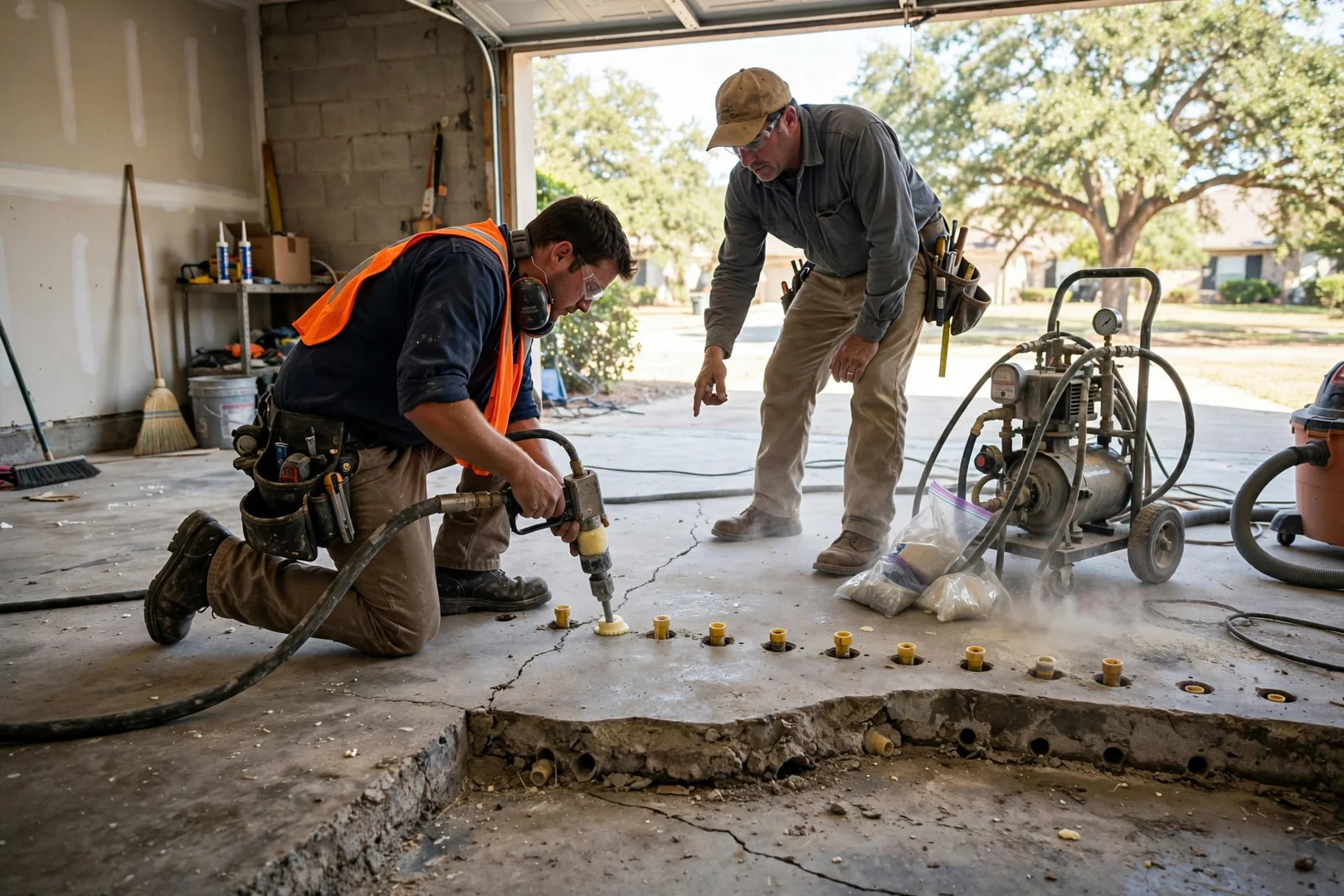
Foundation work around Highland Village this year has covered everything from 1980s brick ranch homes with dropped corners to newer slab-on-grade builds showing early separation at the garage. Our crews have installed pressed concrete pilings, set steel push piers in tight side yards, and used polyurethane foam injection where a slab needed lifting without heavy excavation. Each project starts with elevation readings across the floor and a look at drainage, because the clay soil here swells and shrinks with every wet spring and dry August. Short visits sometimes turn into full restoration plans. That suits us fine, since the goal is always returning a settled or neglected foundation back to a level, stable, healthy condition rather than patching over the symptom.
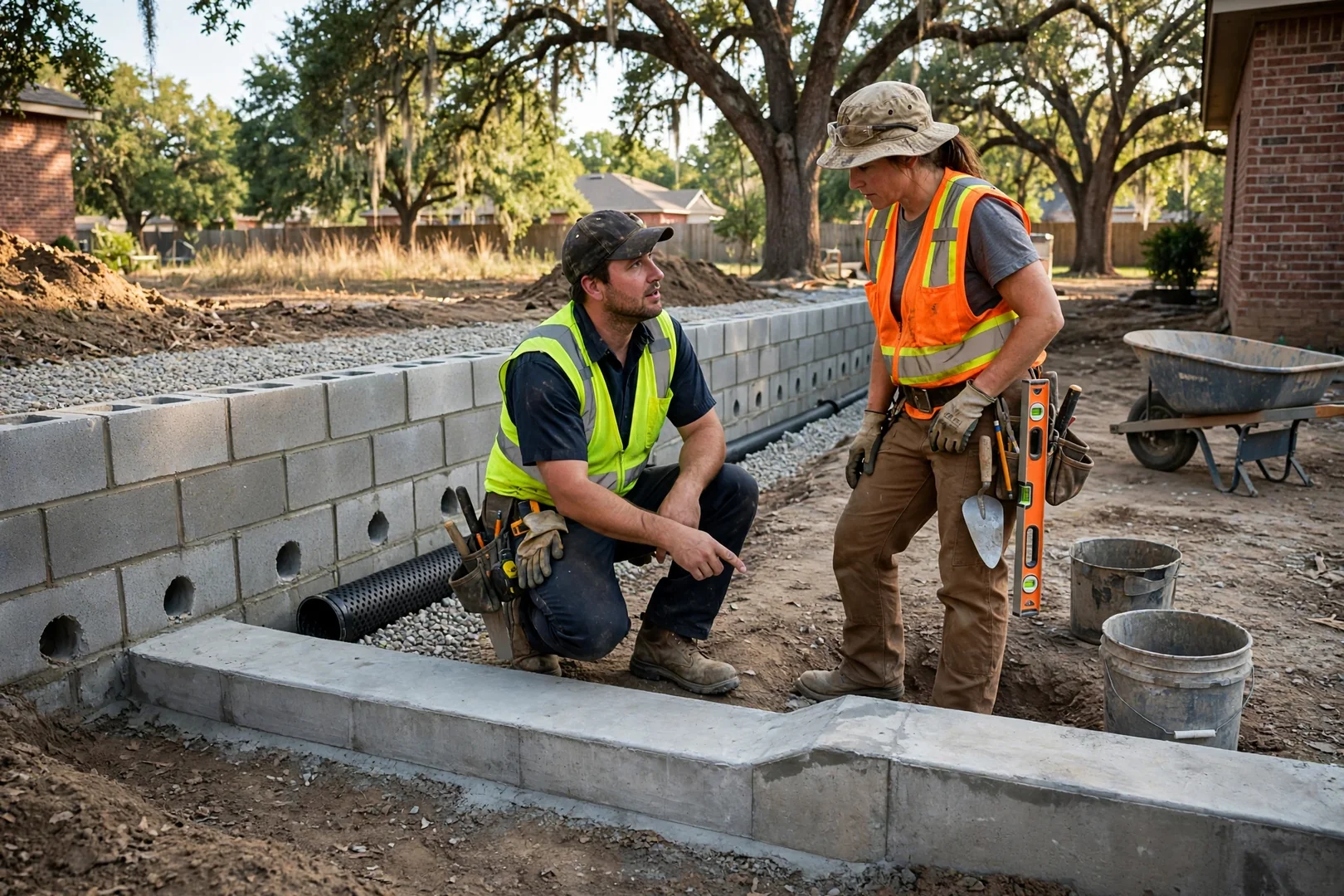
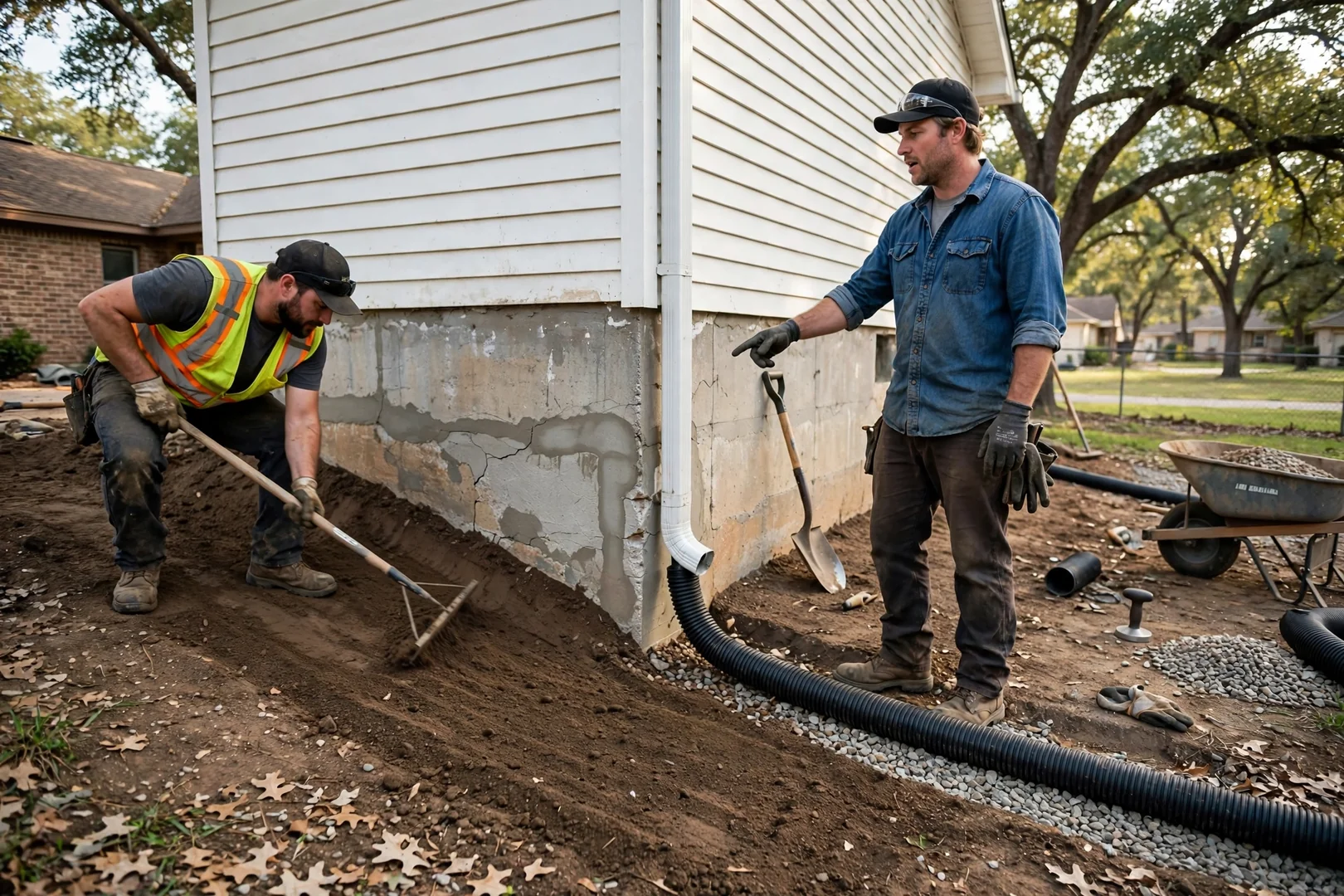
Scales have varied quite a bit. Some jobs involved a handful of interior piers under a load-bearing wall, while others meant perimeter stabilization, mudjacking a sunken patio slab, and rebuilding a failing retaining wall that had been pushing soil against the footing for years. Older properties with long-standing moisture problems get root barriers, regraded soil, and corrected downspout runoff as part of the repair. We finish with a written estimate recap and a post-job walkthrough so homeowners can see the elevation change for themselves. Improvement you can measure is the point.
Foundation Repair Questions
Foundation Repair FAQs for Highland Village Homeowners
Homeowners usually have the same handful of concerns before starting foundation work, so we gathered the ones we hear most often around town in 2026. These answers cover scheduling, what a repair includes, how pricing is shaped, and the soil conditions that affect local slabs.
Elevation readings across the floor tell us whether the slab has settled enough to need piering or only needs mudjacking and foam lifting. If one area has dropped an inch or more and the movement is tied to soil shifting under a load-bearing section, pressed pilings or push piers are usually the corrective route. Minor dips in a patio or garage slab often respond well to injection alone.
Our written estimate covers the elevation survey, the number and type of piers or injection points, excavation and backfill, and the lift sequence used to bring the foundation back toward level. We also note drainage corrections, like regrading or downspout extensions, when runoff is part of the problem. A post-job walkthrough wraps things up so you see the finished elevations yourself.
Most homeowners stay put during the work, though we ask that you clear access along the exterior perimeter and move furniture away from interior pier locations. Flower beds, fencing sections, and stored items near the footing may need temporary relocation. We talk through access points in advance so nothing comes as a surprise on day one.
The expansive clay soil throughout Highland Village swells during wet months and shrinks in summer heat, which pushes and drops slab-on-grade foundations over time. That seasonal cycle explains the stair-step brick cracks and sticking doors neighbors mention to each other. Through 2026 we have kept seeing the same pattern, which is why we pair pier installation with moisture management around the footing.
Free Foundation Repair Estimates
Schedule Foundation Repair in Highland Village Today
Wondering whether those stair-step cracks or sloping floors are worth a closer look? Neighbors across Highland Village reach out to us for a free written estimate that spells out the elevation readings we take, the pier placement we recommend, and what the repair sequence will involve. There is no obligation attached. Our 2026 schedule has openings for slab evaluations, interior pier work, and drainage corrections that help settled homes recover stable support. Because Highland Village sits on clay soils that swell and shrink with each wet-then-dry season, catching movement early usually means a smaller, less disruptive repair. We walk the property with you before work begins and again after, so you can see exactly what changed. Call or email us to set a visit, and we will bring the moisture meters, laser level, and straight answers. You get the written scope, the pricing, and time to think it over. Restoring a foundation is steady, methodical work, and we are glad to explain each step in plain language. Reach out and let’s get your home back on solid ground.